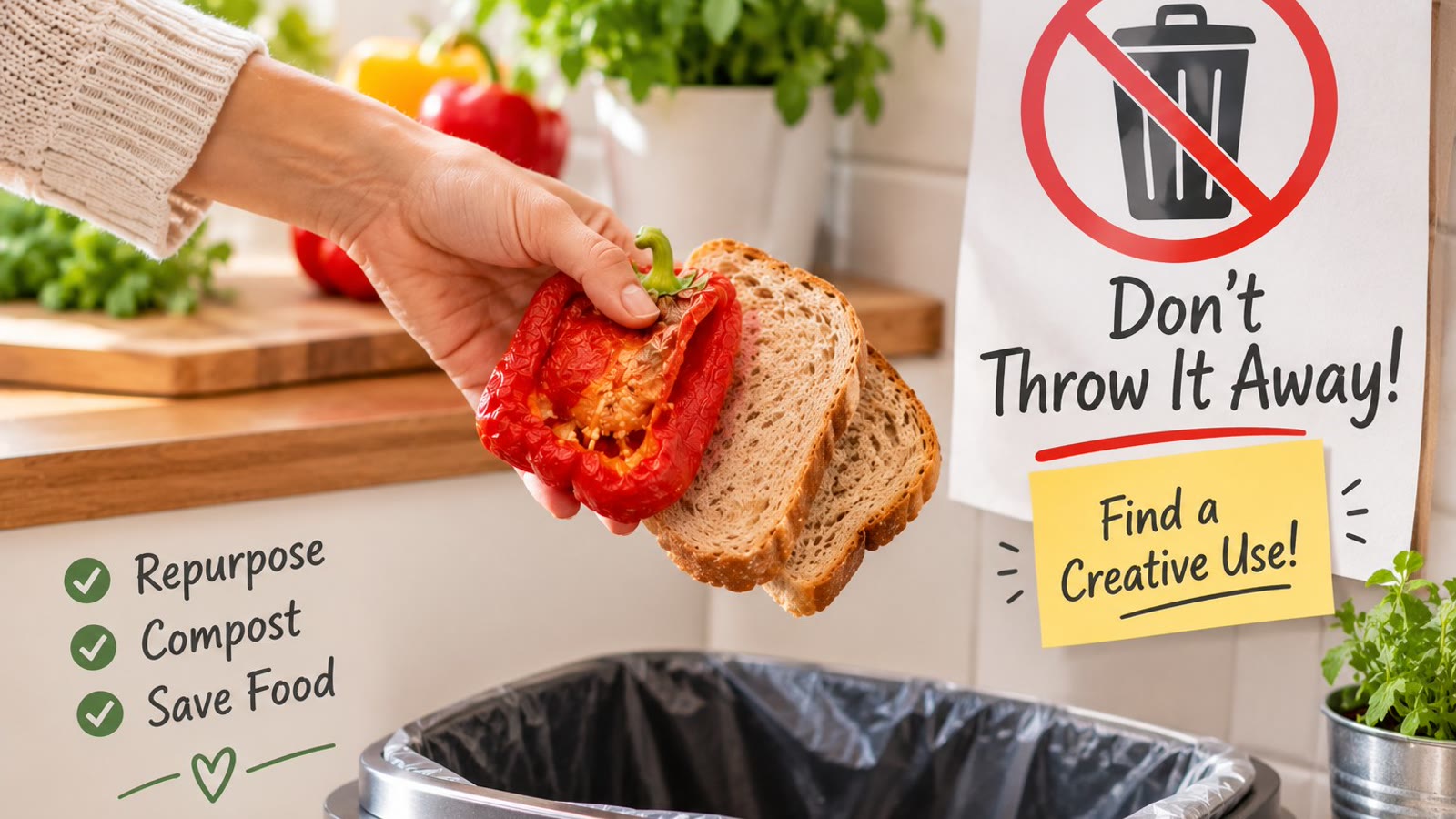
Every year, households discard massive amounts of perfectly edible food simply because they aren't sure how to repurpose it. When you decide you don't throw it away, you not only save money but also unlock a new level of culinary creativity. By mastering a few simple preservation and transformation techniques, you can turn wilting vegetables, stale bread, and neglected leftovers into impressive dishes. Embracing a "zero-waste" mindset in the kitchen is one of the most effective ways to improve your cooking skills and reduce your environmental footprint.
To effectively reduce food waste, focus on three pillars: proper storage, creative repurposing, and inventory management. Start by keeping your fridge organized and using your senses to determine if an ingredient is truly past its prime, rather than relying solely on arbitrary date labels. When you have a clear view of your supplies, you are far less likely to buy duplicates or let items spoil in the back of the pantry. This guide provides actionable steps to ensure that your groceries remain a culinary asset rather than becoming waste.
Why You Don't Throw It Away: Reviving Wilting Vegetables
Wilting vegetables are often the first items to hit the bin, yet they are usually just dehydrated rather than spoiled. Leafy greens like spinach, arugula, or kale that have lost their crispness are still perfect for cooked dishes. You can easily revive slightly limp carrots, celery, or radishes by trimming the ends and soaking them in a bowl of ice-cold water for about 30 to 60 minutes. This process rehydrates the plant cell walls, restoring their signature crunch. Avoid leaving them in the water for more than two hours, as this can lead to waterlogging.
For vegetables that are past the point of refreshing for a salad, roasting is your best friend. Toss wilting broccoli, peppers, or zucchini in olive oil, salt, and dried herbs, then roast at 200°C until caramelized. The high heat concentrates the natural sugars, effectively masking any minor texture loss. You can also blend soft vegetables into creamy soups or pasta sauces; once pureed, the original texture becomes irrelevant, and you gain a rich, nutrient-dense flavor base for your meal. Incorporating these into sauces or stews ensures no fiber or vitamins are lost to the trash. Always check for signs of mold or slimy textures; if those appear, it is safer to compost rather than consume.
Master the Art of the Kitchen Sink Soup
One of the most reliable ways to avoid food waste is the classic vegetable stock method. Keep a dedicated, sealable freezer bag for clean vegetable scraps like onion skins, carrot tops, mushroom stems, and celery leaves. Once the bag is full, simmer these scraps in 2 liters of water for about 45 minutes to create a flavorful, homemade stock that far exceeds the quality of store-bought versions. Strain the solids and store the liquid in the fridge for up to four days or freeze for months.
If you have a collection of odd amounts of cooked vegetables and proteins, combine them into a "kitchen sink" soup or stew. Sauté an onion in a splash of oil, add your mixed vegetables, top with your homemade stock, and simmer until tender. Adding a grain like brown rice, pearl barley, or quinoa can turn this into a hearty, balanced main course. This technique is inherently flexible, allowing you to clean out your fridge while creating a comforting, budget-friendly meal that tastes different every single time. Avoid adding delicate greens like spinach until the very last minute to prevent overcooking. Season with fresh herbs or a squeeze of lemon juice at the end to brighten the flavors of your repurposed ingredients.
Reviving Stale Bread and Dry Baked Goods
Stale bread is rarely truly wasted; it is simply a different ingredient. If your loaf has gone hard, you can briefly run the crust under water and pop it into a 180°C oven for 5 to 10 minutes to restore a soft interior and crispy crust. If it is already too dry for sandwiches, transform it into homemade croutons by cubing it, tossing with olive oil, garlic powder, and dried oregano, then baking until golden brown and crunchy. These store well in an airtight container for up to a week.
For even older bread, pulse it in a food processor to make homemade breadcrumbs. These are superior to store-bought versions for binding meatballs, topping pasta bakes, or coating chicken cutlets. You can also use stale slices for bread pudding or a savory breakfast strata. These dishes rely on the bread absorbing moisture, making staleness an actual advantage for achieving the perfect custard-like texture in the final bake. If you have too much, freeze the slices or crumbs; they stay fresh for up to three months. Avoid using bread that shows any signs of mold, as microscopic spores can permeate the entire loaf, even if you cannot see them on every slice.
Creative Uses for Fruit and Herb Scraps
Fruit that is slightly overripe is often at its peak sweetness, making it ideal for cooking. Bananas that are brown and spotted are perfect for baking into loaves or muffins, as the starch has converted to sugar. While softer apples or pears can be stewed with cinnamon and a touch of water for a quick topping for porridge or Greek yogurt. If you find yourself with a surplus of fresh herbs that are starting to look tired, chop them finely and mix them with softened butter, then freeze in an ice cube tray for easy flavor boosts later. These herb-butter cubes are perfect for finishing steaks or melting over roasted potatoes.
Another trick is to use citrus peels. Instead of tossing lemon or orange peels, zest them before juicing and store the zest in the freezer. You can also infuse vinegars or oils with herb stems or citrus peels to create custom dressings. These small additions add a professional touch to your cooking while ensuring you get the absolute most out of every piece of produce you purchase. Always wash fruit thoroughly before zesting to remove any wax or residue. These small, consistent habits turn potential waste into ingredients that elevate your daily meals.
How Cookyfai Helps You Stop Wasting Food
Managing your kitchen inventory can feel overwhelming, which is where technology becomes a powerful tool. Cookyfai simplifies this by helping you track what you currently have at home through its smart fridge management features. By scanning your grocery receipts or using the camera to identify ingredients, you always know exactly what is in your kitchen, preventing you from buying items you already own. This digital oversight is key to reducing the "I forgot I had that" syndrome that leads to spoiled food.
Beyond tracking, the app provides personalized recipe suggestions based specifically on the ingredients you have on hand. If you have a few wilting vegetables and some grains, the AI will recommend a recipe that utilizes those specific items, helping you cook delicious meals without needing extra trips to the grocery store. With integrated nutrition tracking, you can also ensure your waste-free meals align with your fitness goals. If you have specific dietary restrictions, such as diabetes or a need for low-sodium meals, consult with your dietitian before adjusting recipes significantly. Download it for free on iOS and Android to start transforming your leftovers into culinary successes and visit our homepage to learn more about our mission to make home cooking efficient.
Can I Safely Eat Food Past Its Expiration Date?
Understanding the difference between "best before" and "use by" dates is crucial for reducing food waste. A "best before" date is about quality; the food may lose some flavor or texture after this date but is generally safe to eat if stored properly. A "use by" date, however, is about safety. You should never consume perishable items like meat, fish, or soft cheeses after their "use by" date, as harmful bacteria may have proliferated, even if the food looks and smells normal. Always trust your senses—look for mold, smell for off-odors, and check for slimy textures.
When in doubt, especially for high-risk groups like pregnant women, those with compromised immune systems, or the elderly, it is better to discard the item. For pantry staples like pasta, rice, or canned goods, the "best before" date is often a conservative estimate by the manufacturer. These items can often stay safe for months or even years beyond the printed date if kept in a cool, dry place. If you are ever unsure about the safety of a product, consult official food safety guidelines or speak with a local health authority. Prioritizing safety does not mean you cannot be resourceful, but it does mean knowing which items are safe to experiment with and which should be discarded.
How to Properly Store Food to Prevent Early Spoilage
Proper storage is the first line of defense against food waste. Many people store all their produce in the fridge, but some items actually prefer room temperature. Tomatoes, for example, lose their flavor and texture in the cold, while potatoes should be kept in a dark, cool place to prevent sprouting. Keep ethylene-producing fruits like apples, bananas, and avocados away from ethylene-sensitive vegetables like broccoli and leafy greens, as the gas will cause the latter to spoil much faster. Utilizing airtight containers can significantly extend the lifespan of cut produce and leftovers by preventing oxidation and moisture loss.
For herbs, treat them like fresh flowers; trim the stems and place them in a glass of water, covering the tops with a plastic bag. This can keep cilantro and parsley fresh for over a week. Ensure your refrigerator is set to the correct temperature—ideally between 1°C and 4°C—to slow down bacterial growth. Regularly cleaning your fridge also prevents cross-contamination and helps you spot items that need to be used soon. By optimizing your storage space and understanding the specific needs of your ingredients, you minimize the risk of premature spoilage, ensuring that the food you buy is the food you actually eat.
Common Questions About Reducing Food Waste
How can I tell if food is still safe to eat?
Use your senses: check for unusual smells, visible mold, or significant changes in texture. While best-before dates are indicators of quality, they are not always safety markers, so trust your judgment when assessing fresh produce or pantry items.
What is the best way to store fresh herbs so they last longer?
Treat fresh herbs like a bouquet of flowers by trimming the stems and placing them in a glass of water in the fridge. Alternatively, wrap them loosely in a damp paper towel and store them in a sealed container to maintain humidity and prevent wilting.
Can I freeze leftovers to prevent them from going bad?
Yes, almost all cooked meals can be frozen for later use. Portion your leftovers into airtight containers or freezer bags, label them with the date, and consume them within three months for the best quality.
Are there specific vegetables that shouldn't be stored together?
Yes, some fruits like apples and bananas produce ethylene gas, which can cause nearby vegetables like broccoli or leafy greens to spoil faster. Store ethylene-producing fruits separately from sensitive produce to keep your vegetables crisp for longer.