Making your own pizza at home is a rewarding way to enjoy a classic comfort food while maintaining control over your nutrition and ingredient quality. By choosing fresh vegetables, lean proteins, and whole-grain options, you can transform a typical takeout meal into a wholesome, nutrient-dense dinner that fits perfectly into your lifestyle. The best pizza recipe focuses on a simple, reliable dough and high-quality toppings that prioritize flavor without excessive processed fats or sodium. To make the best pizza, start with a high-hydration dough that requires minimal kneading. Use a thin base topped with a light tomato sauce, fresh basil, and seasonal vegetables. Bake at high temperatures to achieve a crispy crust, ensuring you balance your macros by adding lean proteins like grilled chicken or chickpeas. Whether you are aiming to increase your fiber intake or simply want a cleaner version of your favorite Friday night meal, these techniques will help you achieve professional results in your own kitchen. Remember that individual nutritional needs vary, so if you are managing specific health conditions like diabetes, consult your dietitian for personalized portion guidance.
Mastering the Best Pizza Recipe Foundation
The secret to the best pizza recipe lies in the balance between the crust and the oven temperature. A great homemade dough should be elastic, easy to handle, and capable of holding various toppings without becoming soggy. For a healthier version, experiment with mixing whole wheat flour into your standard bread flour; this increases fiber content, which helps with satiety and blood sugar regulation. A standard ratio for a healthy base is 70% bread flour and 30% whole wheat flour, ensuring the dough remains workable. When preparing your dough, patience is key. Allowing the yeast to ferment at room temperature for at least two hours develops complex flavors and a better texture through enzymatic activity. Avoid over-kneading, which can make the crust tough by developing too much gluten. If you are short on time, you can use a smaller amount of yeast and let the dough rise in the refrigerator for 24 hours, which also improves the flavor profile significantly through slow fermentation. Always keep your workspace lightly floured to prevent sticking, and ensure your water is warm—not hot—to activate the yeast without killing it, which is a common mistake for beginners.
4 Healthy Homemade Pizza Variations
Variety keeps healthy eating interesting. Here are four distinct styles you can master for a balanced meal:
The Garden Harvest
Load up on roasted peppers, zucchini, red onions, and cherry tomatoes. Use a light balsamic glaze instead of heavy cheese to reduce saturated fat while adding depth.
The Protein Powerhouse
Top your pizza with shredded rotisserie chicken, baby spinach, and a sprinkle of feta cheese to boost your protein intake significantly. This provides about 20g to 30g of protein per serving.
The Mediterranean Delight
Use a base of hummus or pesto, topped with kalamata olives, artichoke hearts, and sliced cucumbers added after baking for a refreshing crunch.
The Sweet and Savory
Thinly sliced pears, a small amount of goat cheese, and a handful of arugula finished with a drizzle of honey provide a unique flavor profile without needing heavy sauces.
Essential Ingredients and Tips
Quality ingredients dictate the final outcome. Use canned San Marzano tomatoes for the sauce, as they have a naturally sweet flavor and lower acidity. Fresh herbs like basil and oregano should always be added after the pizza comes out of the oven to preserve their aromatic oils and vibrant green color. If you want to keep your pizza light, avoid pre-shredded cheese, which often contains anti-caking agents that prevent proper melting; instead, grate your own mozzarella or use fresh balls of buffalo mozzarella.
Achieving the Perfect Crust Texture
To get that professional-grade crispy crust, you need intense heat. If you don't have a pizza stone, use an inverted heavy-duty baking sheet preheated in the oven for at least 45 minutes at 250°C. The metal will conduct heat efficiently, mimicking a professional deck oven. Stretching your dough by hand rather than using a rolling pin preserves the air bubbles, resulting in a light, airy 'cornicione' or crust edge. Avoid the common mistake of overloading the pizza with too many wet toppings, as this can create a pool of liquid that prevents the crust from crisping. Always blot your fresh mozzarella with a paper towel before adding it to the pizza to remove excess moisture. If you find your crust isn't browning enough, a light brush of extra virgin olive oil on the edges before baking can help achieve a golden color and a better mouthfeel. Consider using parchment paper for the first few minutes of baking to prevent sticking, then removing it to allow the direct heat of the tray to crisp the bottom of the dough properly.
Nutrition Tracking and Smart Eating
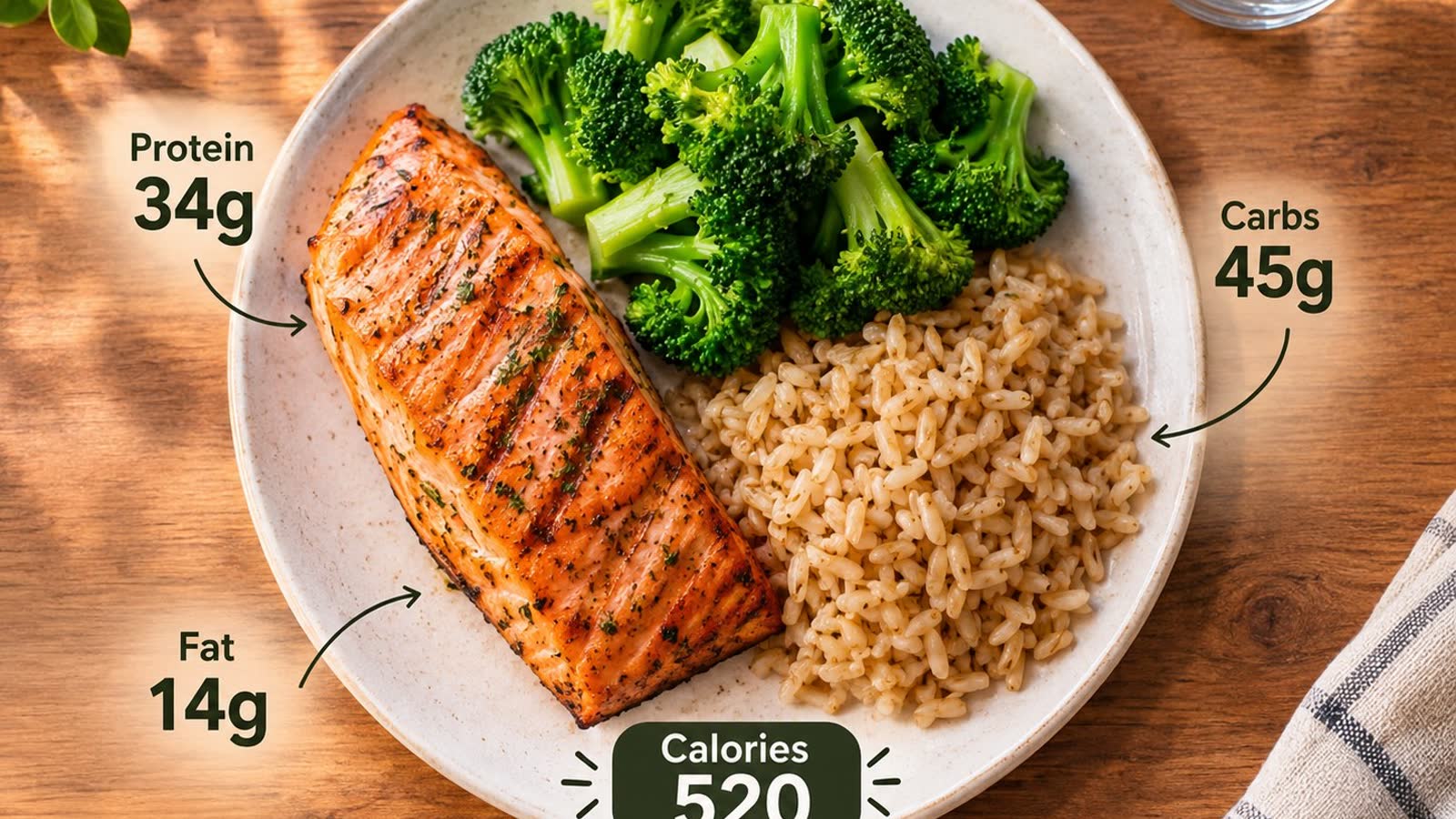
Understanding what goes into your pizza is essential if you are tracking your macros or managing your weight. While pizza is often seen as an indulgence, it can be a balanced meal when portioned correctly. A standard 20cm pizza can range from 400 to 800 calories depending on the toppings and cheese volume. By using the Cookyfai app, you can easily log your meal by taking a photo of your plate, allowing our AI to analyze the approximate calories and macronutrients instantly. This takes the guesswork out of your nutrition, helping you stay on track with your goals without sacrificing the foods you love. If you are tracking sodium, consider using low-sodium tomato sauce or homemade pesto. If you are managing carbohydrates, focus on a thinner crust and increase the density of non-starchy vegetable toppings like broccoli, mushrooms, and bell peppers. Being mindful of your portions—perhaps pairing one or two slices with a large side salad—allows you to enjoy the pizza experience while maintaining a balanced diet. Always consult a dietitian if you have specific medical dietary requirements.
Storage and Reheating Techniques
Proper storage ensures your leftovers are just as good the next day. Allow the pizza to cool completely on a wire rack before refrigerating to prevent the crust from becoming soggy due to trapped steam. Store in an airtight container for up to three days in the refrigerator. To reheat, avoid the microwave, which will make the crust rubbery and the cheese tough. Instead, place the pizza in a preheated oven at 200°C on a baking sheet for about 8 to 10 minutes. Alternatively, use a skillet over medium heat with a lid on; this is often the best method for restoring the crispness of the bottom crust while gently melting the cheese. If you have a lot of leftovers, you can freeze individual slices wrapped in plastic wrap and then foil for up to one month. When ready to eat, simply bake the frozen slices directly from the freezer at 200°C for 15 minutes. This ensures you always have a quick, healthy, and homemade meal option ready during busy weeks, helping you avoid the temptation of ordering processed fast food.
Simplify Your Cooking with Cookyfai
Managing your kitchen and meal planning doesn't have to be a chore. With Cookyfai, you can use our smart fridge management feature to scan your ingredients with your camera, ensuring you know exactly what you have on hand before you start cooking. Our app suggests recipes based on your specific diet and available ingredients, helping you reduce food waste while eating healthy. Whether you need a weekly meal plan or want to track your progress through our intuitive dashboard, Download it for free in IOS and Android to transform your kitchen experience today. The app allows you to filter recipes by preparation time, dietary restrictions like gluten-free or vegan, and nutritional goals, making it easier than ever to stick to a healthy lifestyle. By planning your pizza night around the ingredients you already have, you save money and reduce the need for last-minute grocery runs. Our community features also allow you to share your results and get inspiration from other home cooks who are mastering the art of the best pizza recipe, ensuring your culinary journey is both social and highly efficient.
Common Mistakes to Avoid When Making Pizza
Even with the best pizza recipe, small errors can impact the outcome. One common mistake is using cold dough; always let your dough reach room temperature for about 30 to 60 minutes before stretching. This relaxes the gluten and makes it much easier to shape without it snapping back. Another frequent issue is using too much sauce, which makes the center soggy. Apply a thin, even layer, leaving about 2cm of space at the edges for the crust to rise. Furthermore, ensure your oven is fully preheated. Placing your pizza in an oven that hasn't reached the target temperature is a recipe for a pale, undercooked crust. If you are using fresh vegetables, consider roasting them lightly before adding them to the pizza, as raw vegetables release a lot of water during the baking process. Finally, avoid cutting the pizza immediately after it comes out of the oven. Let it rest for two or three minutes on a wire rack; this allows the cheese to set slightly, preventing it from sliding off the slice when you pick it up to eat.
How to Customize Pizza for Different Diets
Adapting the best pizza recipe for various dietary needs is simple with a few smart swaps. For those following a gluten-free diet, substitute bread flour with a high-quality gluten-free flour blend that includes xanthan gum to mimic the elasticity of wheat dough. For a vegan approach, replace mozzarella with cashew-based cheese or a sprinkle of nutritional yeast for a savory, nutty flavor. If you are looking to increase your fiber intake, swap refined flour for whole-wheat or spelt flour, though keep in mind these flours absorb more water, so you may need to increase your hydration by about 5% to 10%. For a low-carb alternative, consider a cauliflower-based crust or even a thin slice of eggplant as a base for mini-pizzas. Always check labels on store-bought sauces for hidden sugars or excessive sodium. By making these small adjustments, you ensure that everyone at your table can enjoy a delicious, homemade meal that aligns with their personal health goals. Remember that diet is highly individual, so focus on ingredients that make you feel your best.
Frequently Asked Questions
Can I make pizza dough ahead of time?
Yes, you can make dough up to 48 hours in advance. Store it in an airtight container in the refrigerator and bring it to room temperature for about 30 minutes before stretching.
What is the best way to stop my pizza crust from getting soggy?
Ensure your oven is fully preheated and use a pizza stone or an inverted baking sheet. Also, avoid using too much sauce and always blot fresh mozzarella dry before adding it.
Are there healthy alternatives to traditional pizza dough?
You can experiment with cauliflower crusts, chickpea flour bases, or whole wheat dough to increase fiber and protein. These options often provide a different texture and nutritional profile compared to refined flour.
How can I track the calories in my homemade pizza?
The most accurate way is to weigh your ingredients before cooking and use a nutrition app. With Cookyfai, you can simply scan a photo of your finished plate to get an instant estimate of your calories and macros.