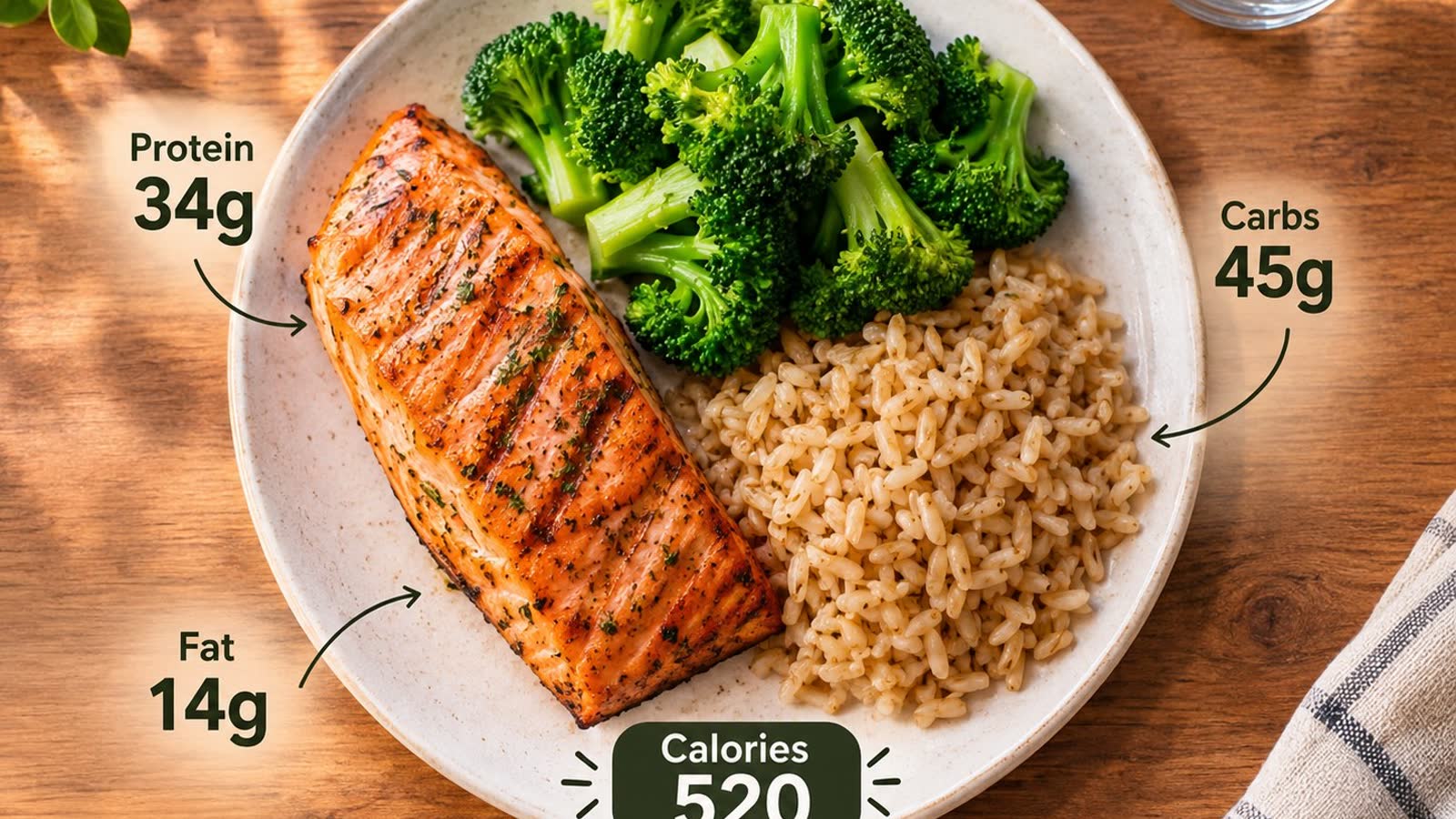
Learning how to calculate macros is one of the most effective ways to take control of your nutrition. By balancing protein, carbohydrates, and fats, you provide your body with the specific fuel it needs for your activity level and health objectives. Whether you are aiming to lose fat or build muscle, understanding your macronutrient intake offers more precision than simply counting total calories.
To calculate your macros, first determine your total daily energy expenditure (TDEE) based on your age, weight, height, and activity level. From there, you set your calorie target—reducing it for weight loss or increasing it for muscle gain—and then divide those calories into percentages for protein, carbohydrates, and fats based on your personal goals and dietary preferences. This method prioritizes the quality of your fuel, ensuring you meet your physiological requirements while maintaining energy levels throughout the day. It is a structured approach, but it requires patience and a willingness to learn how different foods impact your unique metabolism.
Understanding the Basics of Macronutrients
Macronutrients are the three primary components of food that provide energy to your body. Protein is essential for muscle repair and satiety, carbohydrates serve as the primary fuel for high-intensity movement, and fats are crucial for hormone production and nutrient absorption. Unlike micronutrients like vitamins, which are needed in small amounts, macros are required in large quantities to sustain daily life. Protein provides 4 calories per gram, carbohydrates provide 4 calories per gram, and fats provide 9 calories per gram.
When you learn how to count macros, you move beyond "good" or "bad" labels for food. Instead, you view every item on your plate as a source of specific fuel. For example, a piece of chicken provides primarily protein, while an apple provides carbohydrates. By balancing these, you can enjoy a variety of foods while still hitting your nutritional targets. It is a flexible approach that allows for sustainability in the long term, unlike restrictive diets that eliminate entire food groups. Understanding these basics helps you avoid the common pitfall of focusing solely on calorie reduction, which can lead to muscle loss if protein intake is neglected during your journey toward health and wellness.
How to Calculate Macros for Your Specific Goals
To begin, you need a baseline for your energy needs. Many people use online calculators to estimate their TDEE, which is the number of calories you burn in a day. Once you have this number, adjust it: subtract about 300 to 500 calories for weight loss, or add a similar amount for muscle gain. This total calorie number serves as your "budget" for the day.
Next, determine your protein intake. A common starting point is about 1.6 to 2.2 grams of protein per kilogram of body weight, especially if you are physically active. Protein is highly satiating, which helps with appetite control. After setting your protein, allocate your remaining calories between fats and carbohydrates. Athletes might prioritize more carbohydrates for energy, while others might prefer a slightly higher fat intake for hormonal health. A balanced split often looks like 30% protein, 40% carbohydrates, and 30% fat, but this is highly individual. If you have underlying health conditions like diabetes, it is essential to consult with a dietitian or doctor before making drastic changes to your macronutrient ratios to ensure your plan is safe and effective for your specific medical needs.
Practical Tips for Tracking Your Daily Intake
Consistency is the biggest challenge when you start tracking. Using a digital tool is far more efficient than manual calculations. You must weigh your food using a kitchen scale, as volume measurements like cups can be notoriously inaccurate for calorie-dense foods like nut butters or oils. Remember that tracking is a learning process; you will get faster and more accurate the more you do it.
Common mistakes include forgetting to log "hidden" calories, such as cooking oils, dressings, or small bites taken while cooking. Another error is failing to account for beverages, which can contain significant sugar or alcohol. If you find the process overwhelming, start by tracking just one day to understand the typical composition of your meals. Focus on tracking whole foods first—like lean meats, vegetables, and grains—before worrying about minor ingredients. Preparation is key; prepping your meals in advance can make logging much easier, as you are already aware of the ingredients used. If you find yourself struggling to stay consistent, check out how to stick to your diet for proven strategies to maintain your progress.
The Role of Protein, Carbs, and Fats
Each macro serves a distinct purpose. Protein is the building block of tissues and helps maintain lean muscle mass, especially during a caloric deficit. Carbohydrates are stored as glycogen in the muscles and liver, ready to be used during physical exertion. Fats are the most calorie-dense macro, providing 9 calories per gram compared to 4 calories per gram for protein and carbs, making them essential for long-term energy and brain health.
It is important to remember that these ratios are not set in stone. You may find that you feel more energized with more complex carbohydrates, or perhaps you feel more satisfied with more healthy fats. Listen to your body and adjust your ratios over time. If your energy drops during workouts, you may need to increase your carbohydrate intake around your training sessions. If you feel lethargic or mentally foggy, you may need to adjust your fat intake. There is no "perfect" ratio for everyone; the best diet is the one that you can maintain consistently while feeling energetic and healthy. If you are ever unsure about your specific needs, consult a dietitian or a medical professional.
Comparing Tracking Methods: Apps vs Manual Logs
Choosing the right method to track your intake can make or break your success. Here is a quick comparison of the most common approaches:
| Method | Pros | Cons |
|---|---|---|
| Mobile Apps | Automated, fast, easy to log | Requires phone access, learning curve |
| Manual Journal | No batteries, builds awareness | Slow, prone to calculation errors |
| Photo Scanning | Extremely fast, visual record | May require premium features for accuracy |
Modern technology has significantly lowered the barrier to entry for tracking. Using tools that allow you to scan ingredients or take photos of your plate can turn a tedious chore into a quick, seconds-long task. This helps you maintain a record without feeling like you are spending all day on your phone. If you prefer a manual approach, using a notebook can help you become more mindful of your eating habits, though it requires more time to calculate the totals at the end of the day. The most important factor is finding a system that fits your lifestyle. To learn more about visual tracking, read how to count calories from a photo of your plate.
How Cookyfai Simplifies Your Nutrition
Cookyfai transforms the way you approach your daily nutrition by streamlining the tracking process. Instead of manually searching through databases, you can use the app's AI-powered plate scanning feature to get an instant breakdown of your calories and macros from a photo of your meal. This visual approach helps you understand your portion sizes and nutrient distribution in real time.
Furthermore, the app helps you manage your pantry through fridge scanning, ensuring you always have ingredients on hand to meet your macro goals. By combining a personalized dashboard with recipe discovery based on what you have at home, Cookyfai removes the guesswork from meal planning. Whether you are aiming for specific protein targets or just trying to eat more consistently, download it for free in iOS and Android to start optimizing your nutrition today. The app provides a stress-free way to monitor your intake without the need for constant manual entry, allowing you to focus more on your health and less on the math behind your meals. This technology is designed to support your long-term consistency, helping you build sustainable habits that last a lifetime.
What Happens If You Miss Your Macro Targets?
Missing your macro targets occasionally is a normal part of life and should not be a cause for concern. Nutrition is about your average intake over time rather than perfection in a single day. If you exceed your carbohydrate limit at dinner or fall short on protein one afternoon, simply aim to return to your targets with your next meal. The "all-or-nothing" mindset is often the biggest obstacle to long-term success.
If you find yourself consistently missing your targets, it may indicate that your initial calculations were too restrictive or that your lifestyle has changed. For instance, if your activity level increases, your body will naturally require more fuel, particularly carbohydrates. Do not hesitate to adjust your targets based on how you feel. If you feel tired, irritable, or unable to recover from workouts, your body is likely signaling that you need to adjust your intake. Remember that tracking is a tool for awareness, not a source of guilt. If you are struggling with a persistent cycle of over- or under-eating, speaking with a registered dietitian can provide you with a personalized, flexible plan that supports your physical and mental well-being.
Can You Calculate Macros Without Counting Calories?
Yes, it is possible to focus on macro balance without obsessively counting every single calorie, though this often requires a strong foundation of nutritional knowledge. This approach, often called "portion control" or "mindful eating," involves prioritizing protein-rich foods and vegetables while managing carbohydrate and fat portions using your hand as a guide. For example, a palm-sized portion of protein, a fist of vegetables, a cupped hand of carbs, and a thumb-sized portion of fats can be a highly effective, low-stress alternative to strict tracking.
While this method provides less precision than digital tracking, it is often more sustainable for those who find apps stressful or tedious. This approach helps you develop an intuitive understanding of what your body needs to stay energized. However, if your goal is specific—such as body recomposition for an athletic event—the added precision of tracking macros is usually recommended for a period of time to ensure you are meeting your requirements. If you choose this path, be mindful of your energy levels and physical performance as your primary feedback metrics. Always prioritize whole, nutrient-dense foods to ensure you are receiving the micronutrients necessary for overall health.
Frequently Asked Questions
Do I have to track every single gram of food?
You do not necessarily need to be perfect, but consistency is key to seeing results. Aiming for accuracy with your main meals and being mindful of snacks is often enough to make progress without feeling overwhelmed.
Can I eat processed foods while tracking macros?
Yes, tracking is based on the total nutrient content, not just food quality. However, prioritizing whole foods will generally keep you fuller for longer and provide better micronutrients for your overall health.
How often should I adjust my macro targets?
You should consider adjusting your targets if your weight loss or gain stalls for more than two weeks. Listen to your hunger levels and energy, and make small adjustments of about 5% to your ratios rather than drastic changes.
Is macro tracking safe for everyone?
While it is a helpful tool for many, those with a history of disordered eating should approach tracking with caution or avoid it entirely. Always prioritize your mental well-being and consult with a healthcare provider before starting a strict dietary plan.