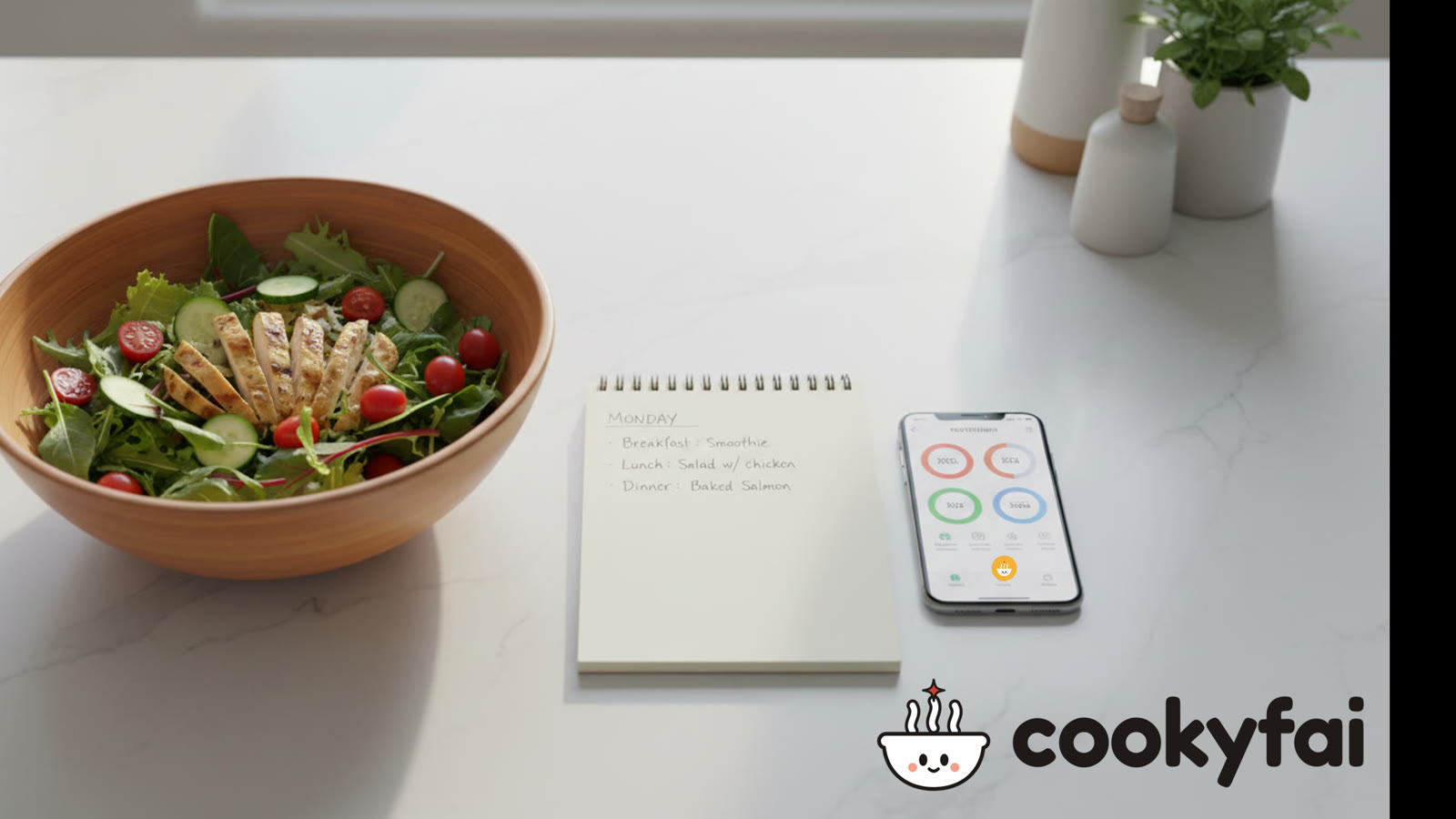
Learning how to stick to your diet is the most significant hurdle when transitioning from a temporary change to a sustainable lifestyle. Consistency is not about perfection, but rather about building flexible systems that accommodate your daily reality while keeping your long-term goals in sight. Whether you are aiming for weight loss or muscle gain, success depends on moving away from restrictive cycles toward manageable habits.
To successfully maintain a nutrition plan, focus on gradual habit stacking rather than radical life overhauls. Start by auditing your current environment, preparing your meals in advance, and using technology to track your progress without obsession. By simplifying the decision-making process and allowing for occasional flexibility, you create the psychological space needed for lasting change. Consistency is built meal by meal, and understanding the nuances of your own behavior is the first step toward lasting success.
Practical Strategies on How to Stick to Your Diet
Preparation is the absolute foundation of any successful dietary strategy. When you are hungry and lack a plan, the likelihood of choosing processed or high-calorie convenience foods increases significantly. By dedicating time to organized meal planning, you remove the guesswork that often leads to diet abandonment. Start by creating a weekly schedule that accounts for your busiest days. If your Tuesday nights are hectic, plan for a quick, assembly-style meal rather than an elaborate recipe. This approach ensures that your nutrition remains consistent even when your schedule is not. Using tools like a weekly Meal plan in Cookyfai for Free can provide the structure you need to get started. Furthermore, keep your kitchen stocked with versatile staples. Having grains, legumes, frozen vegetables, and lean proteins on hand allows you to adapt to last-minute changes. When you know how to use what is in your pantry, you are less likely to order takeout. Aim to prep at least two key components, such as a cooked grain and a protein source, to make assembly fast. This reduces the friction between being hungry and eating a balanced meal, which is vital for long-term adherence.
Managing Your Kitchen Environment
Your environment dictates your food choices more than your willpower does. If your workspace or home is filled with cues that trigger unhealthy snacking, you will eventually succumb to them. Transforming your kitchen into a supportive space is essential for long-term weight loss consistency. Start by organizing your pantry so that healthy ingredients are at eye level. Use clear containers to store whole grains, nuts, and seeds. When you can see your food, you are more likely to use it. If you have trouble remembering what you have, consider using an inventory system that helps you track your supplies, which prevents food waste and ensures you always have the right components for your meals. Another aspect of environmental control is limiting exposure to high-calorie triggers. This does not mean you must banish all treats, but keeping them out of sight reduces the 'decision fatigue' that occurs when you are tired or stressed. Try moving snacks to a high shelf or an opaque container. By making healthy choices the path of least resistance, you naturally improve your adherence to any nutrition plan. A clean, organized kitchen space reduces mental clutter and makes cooking feel like a rewarding, manageable task rather than a chore.
Building Flexible Habits Instead of Rigid Rules
One of the most common mistakes is treating a diet as a binary 'on or off' switch. When people view their regime as a strict set of rules, one 'mistake' often leads to a complete abandonment of the plan. Instead, aim for a 90/10 approach where most of your choices align with your goals, while leaving room for the foods you enjoy. Flexibility is the key to sustainability. If you attend a social event, focus on moderation rather than total deprivation. By allowing yourself to enjoy life, you reduce the psychological pressure that often triggers binge eating. Remember that one meal does not ruin your progress, and one healthy choice does not make you fit. It is the cumulative effect of your habits over months that determines your results. Track your progress using metrics that go beyond the scale. Pay attention to your energy levels, how your clothes fit, and your mood. When you see how your nutrition impacts your daily quality of life, you gain intrinsic motivation that is much harder to break than external pressure. Focus on adding nutrient-dense foods like vegetables and lean proteins to your plate before removing anything, as this positive reinforcement is easier to sustain long-term.
How to Overcome Common Dieting Mistakes
Many people fail because they underestimate their caloric intake or overestimate their activity levels. If you are not seeing results, start by tracking your intake accurately for a few weeks. Learning how to count calories from a photo of your plate can provide a realistic look at your habits without the burden of manual logging. Another mistake is trying to change too many things at once. If you are starting a new exercise routine, do not simultaneously attempt a restrictive elimination diet. Focus on one major change per month. Once that change becomes automatic, move on to the next. This slow approach minimizes the risk of burnout and helps you build a lifestyle that you can maintain for years. Finally, avoid the 'all or nothing' trap. If you have a bad day, do not wait until next Monday to restart. The very next meal is a new opportunity to get back on track. Forgiving yourself for small slips is a crucial skill for anyone learning how to stick to your diet long-term. Remember that consistency is about the average of your choices over time, not the perfection of every single day or every single bite.
Leveraging Technology for Better Nutrition Tracking
In the modern era, technology can act as an external 'accountability partner.' Manual tracking is often tedious, leading many people to stop within the first month. By using apps that integrate AI-powered tools, you can automate the most difficult parts of nutrition management. Look for tools that offer a centralized dashboard to visualize your progress. When you can see your macro-nutrient breakdown in real-time, you are more likely to make informed decisions for your next meal. AI can now scan your plate or your fridge to provide instant feedback, removing the guesswork from calorie counting and ingredient management. This level of visibility helps you identify patterns in your behavior. For instance, you might notice that you consistently overeat on weekends or during specific times of the day. Once you identify these triggers, you can plan ahead with specific strategies, such as preparing extra snacks or adjusting your meal timing, to mitigate those challenges. Using technology effectively means letting it do the heavy lifting of data analysis, so you can spend your mental energy on making better food choices. Consistent logging provides the objective data necessary to make small, informed adjustments to your plan whenever you reach a plateau.
Streamlining Your Nutrition with Cookyfai
Cookyfai is designed to support your long-term success by integrating every aspect of your nutrition into one intuitive interface. If you are struggling with how to stick to your diet, the app provides the structure needed to remove the mental load of meal planning and tracking. Use the fridge scanning feature to see exactly what you have at home, allowing you to generate recipes based on your existing ingredients rather than constantly going to the store. When you are eating out or cooking at home, use the AI plate scanning tool to get an immediate estimate of your calories and macros, which simplifies your daily tracking. The dashboard provides a clear overview of your progress, keeping you motivated through visual data rather than just numbers on a scale. Whether you need a structured meal plan or just want to track your hydration and nutrition, Cookyfai acts as an intelligent companion that adapts to your lifestyle. Download it for free on iOS and Android to start building sustainable habits today. By centralizing your data, you reduce the time required to manage your diet, allowing you to focus on the joy of eating well while staying aligned with your personal goals and health requirements.
How Do You Stay Consistent When Traveling or Dining Out?
Dining out or traveling often disrupts routine, making it difficult to maintain dietary habits. To handle these situations, prioritize high-protein options like grilled fish, chicken, or legumes, which help with satiety. Research menus ahead of time if possible, and look for preparation methods like steaming, grilling, or roasting rather than frying. When traveling, pack portable, non-perishable snacks such as nuts, seeds, or protein bars to avoid relying on airport or gas station food. If you are at a restaurant, ask for sauces or dressings on the side to control your caloric intake. Remember that social dining is about balance; you do not need to be perfect to make progress. Focus on portion control by enjoying half of your restaurant meal and taking the rest home, which often aligns better with standard serving sizes. The goal is to maintain your progress without sacrificing your social life. By planning your day around a larger evening meal, you can accommodate extra calories without feeling like you have derailed your diet. Consistency in these environments comes from making intentional choices rather than impulsive ones, ensuring you stay on track regardless of your location.
When Should You Seek Professional Guidance for Your Diet?
While self-guided tools are helpful, there are times when professional support is necessary. If you find yourself constantly cycling between restrictive dieting and bingeing, or if you have a history of disordered eating, please consult a registered dietitian or a healthcare provider. They can help you address the psychological components of your relationship with food in a safe, structured way. Additionally, if you have specific medical conditions such as diabetes, hypertension, or food allergies, a professional can tailor a plan that ensures you are meeting your nutritional needs while managing your health. If you are pregnant or breastfeeding, your caloric and nutrient requirements change significantly, and it is vital to work with a doctor to ensure both you and your child are supported. If you feel overwhelmed by the information available or are not seeing results despite your best efforts, a dietitian can provide personalized guidance, helping you navigate complex nutritional requirements. Professional advice is not a sign of failure but a strategic move to ensure your health remains the priority. Always consult with a professional before making drastic changes to your diet if you are currently taking medication or dealing with chronic health issues.
Frequently Asked Questions
How long does it take to form a new eating habit?
While common wisdom suggests 21 days, research indicates it can take anywhere from two to eight months for a new behavior to become automatic. The timeline depends on the complexity of the habit and your personal consistency. Focus on small, incremental changes to increase your chances of long-term success.
What should I do if I fall off my diet plan?
The best approach is to treat it as a temporary detour rather than a failure. Do not wait for the next Monday to start over; return to your healthy habits with your very next meal. Acknowledge what triggered the lapse, learn from it, and continue moving forward.
Is it necessary to count calories forever?
Not necessarily. Counting calories is a powerful tool to learn about portion sizes and the energy content of your food. Once you have developed a strong sense of internal cues and portion control, many people find they can maintain their goals without strict logging.
How can I stay consistent when eating out?
Focus on the basics: prioritize lean protein and vegetables, and watch your intake of calorie-dense sauces or dressings. You can also check the menu online beforehand to make a plan before you arrive at the restaurant. Remember that social dining is about balance, not perfection.