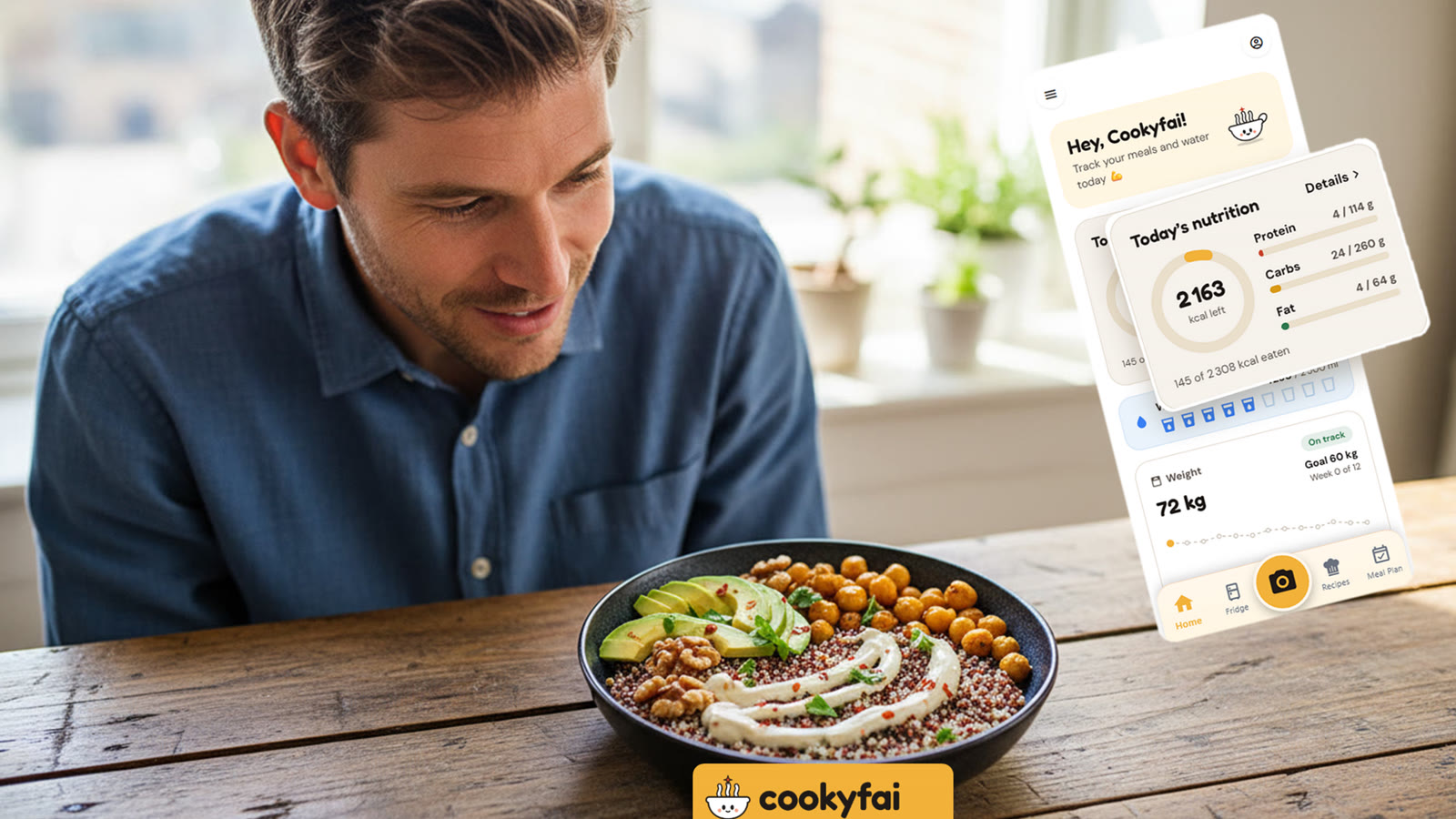
Many people wonder: can vegetarian people gain weight ? The answer is a resounding yes. Gaining weight healthily on a vegetarian diet simply requires a consistent caloric surplus, achieved by choosing energy-dense, nutrient-rich plant foods. By focusing on healthy fats, complex carbohydrates, and adequate protein, you can build mass while maintaining a balanced, sustainable lifestyle.
To gain weight, you must consume more calories than your body burns daily. For vegetarians, this means moving beyond simple salads and embracing calorie-dense staples like nuts, seeds, legumes, healthy oils, and whole grains. Consistency and mindful portion control are the keys to success. If you have specific health conditions like diabetes, or are pregnant, please consult a dietitian or healthcare professional before making significant changes to your diet to ensure your nutritional needs are met safely.
Understanding the Fundamentals of Gain Weight
Weight gain should be approached with the same care as weight loss. A healthy approach focuses on muscle mass and sustained energy rather than just increasing body fat through processed sugars. The foundation of your plan should be a caloric surplus of about 300 to 500 calories above your maintenance level. This allows for steady, manageable progress. If you are extremely active, you may need even more to fuel your recovery and growth.
Start by tracking your current intake to understand your baseline. You can use tools like the tracking dashboard to see where your calories are coming from. Focus on "whole" foods rather than refined snacks. When you prioritize nutrient density, your body gets the vitamins and minerals it needs to support growth and repair, which is essential if you are incorporating strength training. Aim to eat every 3 to 4 hours to keep your metabolism fueled. Avoid skipping meals, as this makes it much harder to reach a surplus. Consistency is the primary driver of success; even small, daily adjustments to your plate will compound over time into significant, healthy weight changes that feel sustainable.
Calorie-Dense Foods for Your Vegetarian Diet
When you ask, can vegetarian gain weight ? and how ?, the answer often points directly to your pantry staples. To increase your caloric intake without feeling overly full, you need foods that pack a lot of energy into a smaller volume. Nuts, seeds, and nut butters are your best friends here. A tablespoon of peanut butter, for instance, adds nearly 100 calories without requiring you to eat a massive volume of food. Try adding almond butter to oatmeal or snacks.
Incorporate healthy fats into every meal. Olive oil, avocado, and tahini are excellent additions to grain bowls, salads, or smoothies. Don't shy away from complex carbohydrates like quinoa, brown rice, oats, and sweet potatoes. These provide the sustained energy needed for your workouts and daily activity. If you find it hard to eat enough, consider liquid calories like homemade smoothies made with soy milk, protein powder, fruit, and nut butter. Adding a tablespoon of flaxseed oil to a smoothie can add 120 calories instantly. Always opt for full-fat dairy if you consume it, as it provides a higher caloric density compared to low-fat alternatives, helping you reach your goals more efficiently and pleasantly.
Structuring Your Meals for Success
Frequency is just as important as the types of food you eat. Instead of struggling to finish three massive meals, aim for five or six smaller, calorie-dense meals throughout the day. This keeps your blood sugar stable and makes it easier to hit your daily caloric goals without feeling sluggish. Digestive comfort is key; spreading calories prevents the post-meal lethargy often associated with massive portions.
Use weekly meal plans to ensure you always have access to high-calorie options. Prepare batches of grains and legumes at the start of the week. For example, a large pot of lentil stew or a tray of roasted chickpeas can be used as a base for multiple meals. Adding a source of healthy fat—like a drizzle of hemp seed oil or a sprinkle of walnuts—to these pre-prepped meals can easily add several hundred calories to your day. Keep healthy snacks like trail mix, dried fruit, or Greek yogurt within reach at work or home to ensure you never miss an eating window. Planning ahead reduces the reliance on fast food and ensures your body has the constant supply of nutrients required for growth.
The Role of Protein in Vegetarian Mass Gain
Protein is the building block of muscle. While many plant-based sources are lower in protein than meat, they are highly effective when combined correctly. To support healthy weight gain, aim for a consistent intake spread across all your meals. Excellent sources include Greek yogurt (if lacto-vegetarian), cottage cheese, tempeh, tofu, seitan, lentils, and edamame. Aim for approximately 1.6g to 2g of protein per kilogram of body weight if you are training for muscle mass.
If you are struggling to hit your protein targets, consider adding a plant-based protein powder to your routine. It is a convenient way to boost your intake, especially post-workout. Remember that variety is key; by rotating your protein sources, you ensure a complete amino acid profile, which is crucial for muscle development and overall health. For example, pairing rice with beans creates a complete protein source. Always listen to your body; if certain legumes cause bloating, try sprouted versions or fermented options like tempeh, which are often easier to digest. Consult a dietitian if you need a specific plan tailored to your activity level, especially if you have existing health concerns or metabolic conditions.
Common Mistakes and How to Fix Them
One common mistake is relying too heavily on "junk" vegetarian foods. While potato chips and sugary snacks are vegetarian, they lack the nutrients needed for healthy growth. Focus on "clean" energy sources. Another error is neglecting hydration; ensure you are drinking enough water, as it is vital for nutrient absorption and digestion. See more on the importance of hydration for your overall health.
Some people also fail to account for the physical activity they are doing. If you are lifting weights to gain muscle, your calorie needs will be significantly higher than a sedentary person. If you aren't seeing results, recalculate your needs and increase your portions slightly. Use plate photo scanning to get a better idea of your actual consumption versus your goals. A frequent mistake is underestimating portion sizes; using a digital scale for a few days can be eye-opening. Additionally, do not ignore the importance of sleep. Your muscles grow while you rest, not while you are in the gym. Prioritizing 7 to 9 hours of quality sleep is essential for the hormonal balance required for effective weight gain.
How Cookyfai Supports Your Goals
Cookyfai makes the process of gaining weight significantly easier through its intelligent suite of tools. With our fridge and receipt scanning, you can instantly see which high-calorie ingredients you already have at home. The app suggests recipes perfectly matched to your vegetarian diet and the contents of your kitchen, reducing waste while ensuring you have a steady supply of energy-dense meals. This takes the guesswork out of meal prep.
Furthermore, our plate photo scanning feature allows you to track your daily intake effortlessly. By building a visual food diary, you can monitor your progress toward your caloric surplus without the stress of manual entry. Whether you need a weekly meal plan or want to track your macro progress, Cookyfai acts as your dedicated nutritionist in your pocket. Having a structured approach helps you identify gaps in your nutrition, such as not getting enough healthy fats or protein, and provides suggestions to fill those gaps. Download it for free in IOS and Android to start your journey today and gain access to thousands of recipes designed to support your specific health and wellness goals.
Can You Gain Weight Without Eating Meat?
It is a common misconception that meat is necessary to gain weight or build muscle. The biological requirement for weight gain is a caloric surplus, regardless of the food source. Your body breaks down food into energy, and if you provide more energy than you expend, your body will store the excess as either muscle or fat. You can easily achieve this surplus with plants.
Vegetarian diets are naturally rich in fiber, which is great for health but can make you feel full faster. To gain weight, you may need to strategically reduce the fiber content of some meals—for example, by peeling vegetables or choosing refined grains occasionally—to make room for more calories. Incorporating high-calorie liquid meals, such as smoothies made with oat milk, almond butter, seeds, and fruit, is a highly effective strategy because they don't trigger the same fullness response as solid foods. By focusing on nutrient-dense, calorie-rich plant sources, you can build a strong, healthy physique. Remember that weight gain is a slow process; patience and consistency will yield far better results than trying to force rapid, unsustainable gains.
Are There Specific Supplements for Vegetarian Weight Gain?
While whole foods should always be your priority, supplements can play a supporting role in your weight gain journey. A high-quality plant-based protein powder (like pea, rice, or soy blend) can be very helpful for hitting your daily protein targets, especially after a workout. Creatine monohydrate is another well-researched supplement that can help improve strength and power output during resistance training, which indirectly supports muscle growth.
If you are struggling to meet your vitamin and mineral needs, a standard multivitamin can act as an insurance policy. Vegetarians should specifically keep an eye on Vitamin B12, iron, and zinc, as these are sometimes harder to source in sufficient quantities in plant-based diets. Always purchase supplements from reputable brands that undergo third-party testing to ensure purity and accuracy of labels. Before starting any new supplement regimen, consult with your doctor or a registered dietitian. They can help you determine if you actually have a deficiency and recommend the appropriate dosages based on your specific health status and goals. Supplements are meant to complement your diet, not replace the complex nutrition found in whole foods.
Frequently Asked Questions
Is it harder to gain weight as a vegetarian?
It is not necessarily harder, but it requires more intentional food choices. Since plant-based foods are often less calorie-dense than meat, you must focus on incorporating healthy fats and complex carbohydrates consistently. With a structured approach, you can easily achieve a caloric surplus.
What are the best vegetarian foods for weight gain?
Focus on calorie-dense whole foods such as nuts, seeds, nut butters, avocados, olive oil, and legumes. Whole grains like quinoa and oats are also excellent for providing the energy needed to support muscle growth. Including these in every meal will help you reach your goals faster.
Do I need protein supplements to gain weight?
While not strictly necessary, protein supplements can be a convenient tool to help you reach your daily protein targets, especially if you are training hard. Whole food sources like tempeh, tofu, lentils, and dairy (if applicable) should form the base of your diet. Supplements should be used to complement, not replace, a balanced diet.
How many extra calories do I need per day?
A healthy rate of weight gain is usually supported by a surplus of 300 to 500 calories above your maintenance level. This allows for steady progress without excessive fat gain. It is best to track your intake and adjust based on your body's response over several weeks.