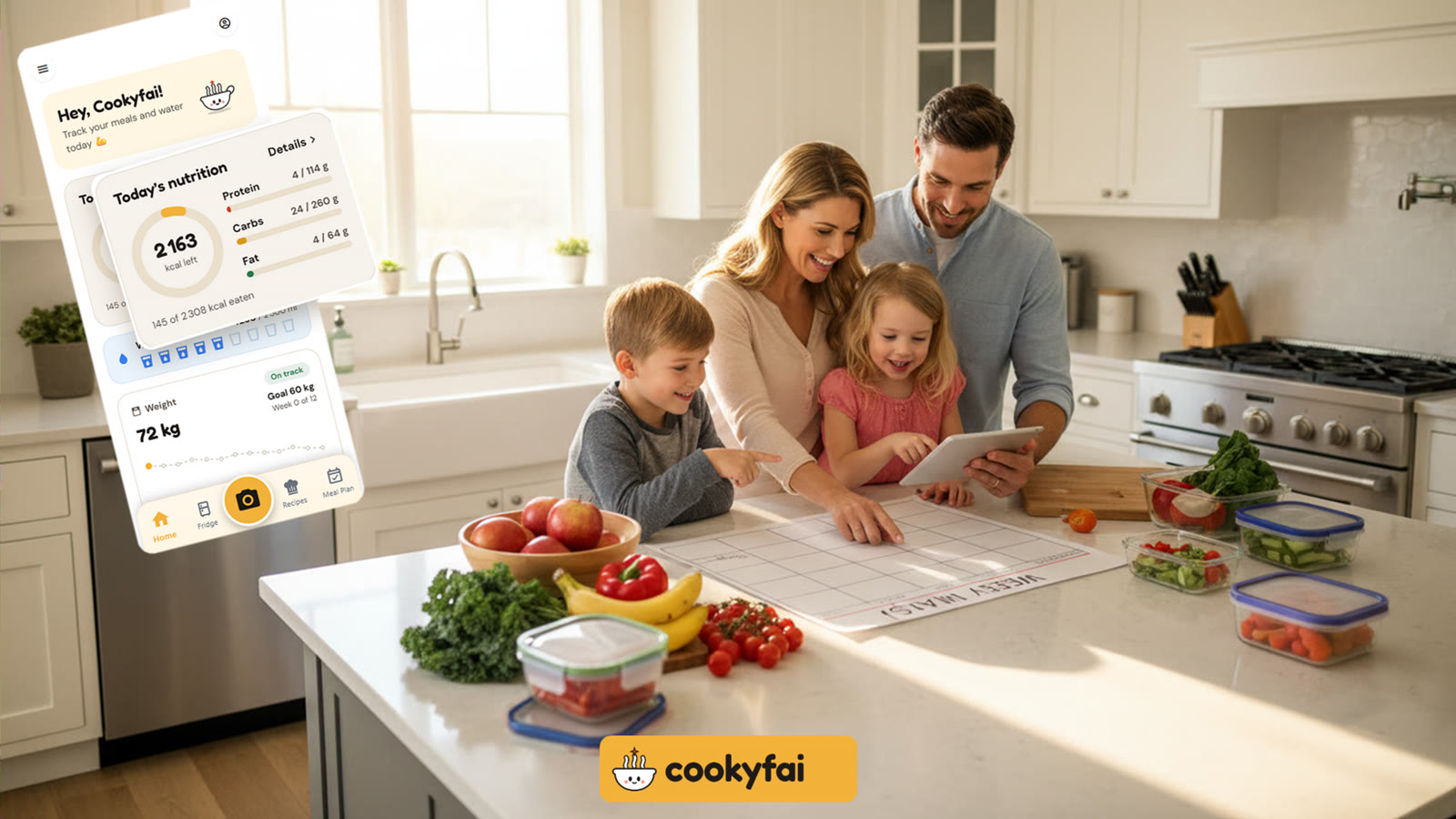
Smart meal planning is the foundation of a healthy lifestyle, helping you navigate busy weeks without relying on expensive, less-nutritious takeout. By organizing your kitchen and grocery habits, you can ensure that every meal supports your wellness objectives while keeping your budget in check. Whether you are aiming to lose weight or simply want to eat more balanced meals, having a clear strategy transforms your kitchen routine.
Smart meal planning involves selecting recipes that share ingredients, creating a structured grocery list based on your pantry inventory, and preparing components in advance. This process reduces decision fatigue, minimizes food waste, and ensures you always have healthy options ready to consume when you are busy. By dedicating a small window of time each week to organize your menu, you empower yourself to make better choices, avoid the stress of last-minute cooking, and cultivate a more sustainable relationship with the food you eat every day.
The Essentials of Smart Meal Planning
To begin your journey with smart meal planning, you must first assess your current habits and goals. Start by looking at your calendar for the week; identify which nights you have time to cook and which nights require quick, grab-and-go options. Consistency is more important than perfection, so start small by planning just three or four dinners rather than every single meal. Aiming for 100% perfection often leads to immediate burnout. Instead, treat your meal plan as a flexible guide.
Next, evaluate what you already have in your kitchen. Before heading to the store, check your fridge, freezer, and pantry to avoid buying duplicates. This step is critical for effective kitchen management and saving money. If you find yourself struggling to combine these ingredients into cohesive dishes, you can use tools like the what to cook with what's in your fridge guide to spark some inspiration.
Finally, choose a specific day of the week to dedicate to this task. Whether it is a Sunday morning or a Wednesday evening, having a set time ensures that planning becomes a recurring habit rather than a chore. Write down your menu, note the ingredients needed, and stick to your list when shopping to prevent impulse buys. By keeping your pantry stocked with staples like oats, canned beans, and frozen veggies, you create a safety net for those days when your plan falls through.
Optimizing Weekly Grocery Shopping Tips
Your efficiency at the grocery store dictates the success of your meal plan. To optimize your weekly grocery shopping, always categorize your list by the store layout. Grouping items by produce, dairy, grains, and proteins saves time and prevents you from wandering aimlessly through aisles, which often leads to unnecessary purchases. Aim to spend about 30 to 45 minutes in the store by having a clear, organized list that reflects the physical path you take through the aisles.
Consider buying shelf-stable staples in bulk, such as legumes, grains, and canned goods, while keeping fresh produce purchases limited to what you can realistically consume within a few days. This balance helps maintain nutrient density in your meals without the risk of spoilage. If you find that you are constantly throwing away wilted greens, adjust your plan to use these items early in the week. Store delicate greens in a container with a paper towel to absorb excess moisture.
Bringing a reusable bag and a clear, organized list is your best defense against impulse shopping. If you have trouble remembering what you have at home while standing in the aisle, utilizing digital tools to scan your fridge or keep a running list can be a game-changer. Staying focused on the plan allows you to stay aligned with your nutritional goals throughout the week.
Effective Meal Preparation Techniques
Effective meal preparation does not necessarily mean spending hours on a Sunday cooking everything from scratch. Instead, focus on "component cooking." This involves preparing versatile base ingredients that can be transformed into different meals throughout the week. For instance, roasting a large tray of seasonal vegetables at 200°C (400°F) for 30 minutes and batch-cooking a grain like quinoa or brown rice provides the perfect foundation for multiple lunches and dinners. You can season these components neutrally, allowing you to add different spices or sauces later.
Another effective technique is pre-portioning proteins. Whether you prefer chicken, tofu, or lean beef, cooking your protein sources in advance allows for quick assembly of salads, stir-fries, or grain bowls. Store these components in airtight containers in the fridge so they remain fresh for up to three or four days. If you are preparing fish, aim to consume it within two days for the best quality.
Always remember to keep your sauces and dressings separate until you are ready to serve. This simple habit keeps your ingredients from becoming soggy. If you need inspiration for high-protein options to include in your prep, check out our simple high-protein meal plan for some structured ideas. Focus on efficiency by multi-tasking: boil your grains while your vegetables roast in the oven.
Common Mistakes and How to Fix Them
One common mistake in smart meal planning is being overly ambitious. Trying to cook complex, new recipes every single night is a recipe for burnout. To fix this, incorporate "easy-win" meals that you can assemble in under 20 minutes, such as sheet-pan meals or simple protein-and-vegetable sautés. Keep your recipe rotation simple: choose two reliable favorites and only one new recipe per week to manage your energy levels effectively.
Another frequent pitfall is failing to account for leftovers. If you cook a meal that yields four servings, do not plan to cook again the next night. Use that leftover portion for lunch or dinner the following day. This practice not only saves time but also ensures you are not wasting food. If you find yourself tired of the same meal, try "planned-overs"—using the base ingredients in a new format, like turning roast chicken into tacos the next day.
Lastly, many people forget to track their progress. If you are not seeing the results you expected, it might be because your "healthy" meal plan is higher in calories than you realized. You can use tools like counting calories from a photo to gain a clearer picture of your actual intake and make necessary adjustments to your portion sizes or ingredient choices.
Variations for Different Dietary Needs
Smart meal planning is highly adaptable. If you are following a plant-based diet, focus your planning around various legumes, nuts, seeds, and tofu. If you are on a lower-carb or higher-protein diet, prioritize lean meats, eggs, and non-starchy vegetables. Ensure that you are including a variety of colors in your produce to maximize micronutrient intake. Aim for at least three different vegetable colors in your daily rotation.
Consider the "theme night" approach to add variety without the stress of constant planning. For example, assign "Meatless Monday," "Taco Tuesday," or "Stir-fry Thursday." This framework provides a structure that limits your choices while still allowing for creativity within those themes. It makes the decision-making process much faster. You can keep a list of three or four variations for each theme to rotate throughout the month.
For those with specific health goals or medical conditions, it is essential to consult with a registered dietitian or your doctor before making significant changes to your diet. They can help you create a plan that meets your specific nutritional requirements while fitting into your lifestyle. Always prioritize balance and variety to ensure you are getting all the essential nutrients your body needs, especially during pregnancy or when managing conditions like diabetes.
How Cookyfai Supports Your Goals
Cookyfai is designed to take the stress out of your daily nutrition management by centralizing everything you need in one app. With our smart fridge management, you can scan ingredients using your camera to keep track of what you already have, which helps you reduce food waste and plan meals around available items. Our AI-powered system suggests recipes tailored to your specific dietary preferences and what is currently in your kitchen, making it easier to stick to your plan.
To ensure you stay on track, our app offers a comprehensive dashboard where you can log your meals and monitor your calorie and macro intake. You can even use our AI plate scanning feature to snap a photo of your meal for instant analysis of its nutritional content. Whether you need a structured weekly meal plan or just a tool to help you stay organized, download it for free in IOS and Android to start transforming your kitchen routine today.
By integrating technology into your meal planning, you remove the guesswork. You can easily adjust portion sizes and track hydration or fiber intake, ensuring your plan aligns with your long-term health objectives without the need for complex manual spreadsheets or tedious note-taking.
Managing Meal Planning on a Budget
Smart meal planning is an excellent strategy for reducing food costs. By planning your meals around seasonal produce, you can take advantage of lower prices and higher quality ingredients. Seasonal fruits and vegetables are often cheaper because they are abundant and do not require long-distance transportation. Check your local flyers for weekly sales on proteins like chicken thighs, eggs, or lentils, and build your menu around these discounted items.
Focus on buying versatile ingredients that can serve multiple purposes. A large bag of rice can be used for stir-fries, breakfast porridge, or as a side dish for curries. Similarly, a whole chicken can be roasted for one meal, and the bones can be used to make a nutrient-dense broth for soups later in the week. This "whole-ingredient" approach minimizes waste and maximizes your investment.
Avoid the trap of buying pre-cut or pre-packaged items, which often come with a significant convenience markup. Investing a few extra minutes to chop your own vegetables or grate your own cheese can save you a substantial amount of money over the course of a month. By keeping your pantry organized, you also prevent the accidental purchase of duplicates, further protecting your budget.
How to Stay Consistent When Plans Change
Life is unpredictable, and even the best meal plans can be derailed by unexpected events. The key to long-term success is maintaining flexibility. If you find your schedule suddenly packed, do not feel pressured to abandon your goals entirely. Instead, keep a list of "emergency meals"—simple, 10-minute dishes that use pantry staples like canned tuna, pasta, or frozen veggies. These meals act as a backup when your original plan is no longer feasible.
If you have a night where you end up eating out, simply pick up your meal plan the next day. Do not view a single deviation as a failure. The goal of smart meal planning is to increase the frequency of healthy choices, not to achieve perfection. If you have prepared components in the fridge, such as cooked grains or washed vegetables, you can quickly assemble a meal even on your busiest days.
Finally, reflect on your week regularly. If you consistently find yourself with leftover ingredients, adjust your portion planning for the following week. If you find yourself constantly hungry, increase your fiber or protein portions. By treating your meal plan as a learning process, you will naturally get better at estimating your needs and building a system that works for your unique lifestyle.
Frequently Asked Questions
How do I start meal planning if I am a beginner?
Start by planning just two or three dinners for the week rather than every meal. Use ingredients you already have to minimize shopping and keep your recipes simple to avoid spending hours in the kitchen.
How can I avoid food waste when planning meals?
Check your pantry and fridge before you go to the store to see what needs to be used first. Plan to use fresh, perishable items like leafy greens or berries within the first two days of your week.
Is it better to meal prep once a week or daily?
This depends on your schedule and preference. Many people find that doing a 'prep session' on the weekend helps them save time during the work week, but prepping individual components daily works just as well if you prefer fresh cooking.
How do I keep my meal plan healthy?
Focus on including a variety of whole foods, such as lean proteins, vegetables, whole grains, and healthy fats. Using an app to track your daily macros and calories can help ensure your plan aligns with your nutritional goals.