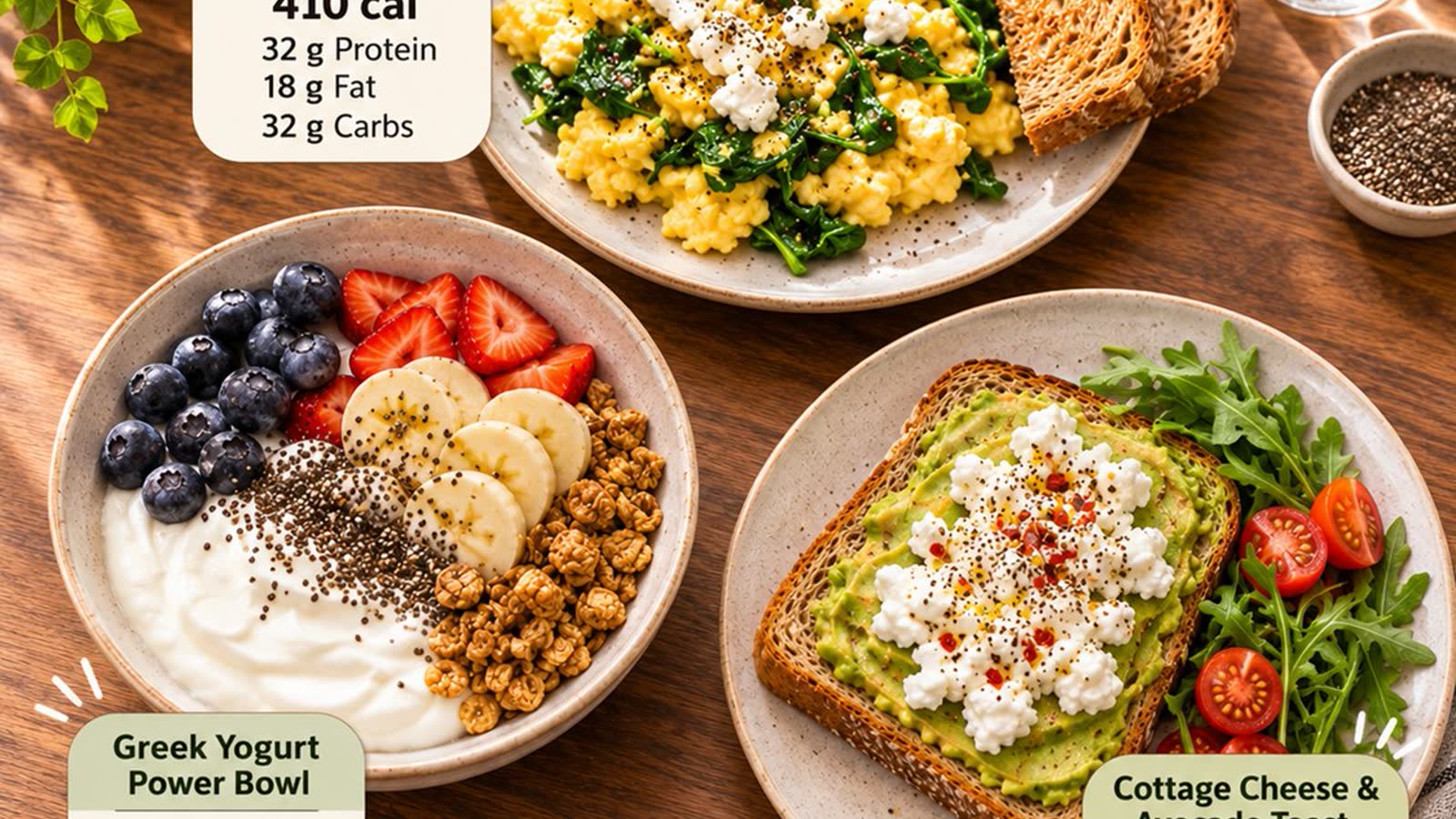
Starting your day with a nutrient-dense meal is an effective strategy to support your health and fitness goals. If you are searching for high protein breakfast ideas, you have arrived at the right place. Protein is essential for satiety, muscle maintenance, and metabolic support, serving as a cornerstone for those aiming to manage body composition or improve athletic performance. Whether your palate prefers sweet or savory flavors, the recipes and strategies outlined below offer a practical way to increase your protein intake from the very first meal of the day. By focusing on whole-food sources, you can ensure your body receives the amino acids it needs to function optimally until lunch.
Essential High Protein Breakfast Ideas for Energy
Incorporating high protein breakfast ideas into your daily routine is more than a trend; it is a functional approach to steady energy management. Protein-rich meals trigger the release of satiety hormones, which help regulate appetite throughout the morning hours. When you prioritize protein, you are less likely to experience the sharp blood sugar drops that often lead to mid-morning cravings or the urge to reach for high-sugar snacks. For individuals aiming to optimize their daily nutrition, understanding how to track your macros can provide valuable insights into whether your current habits align with your physical activity levels. Aiming for approximately 20g to 30g of protein at breakfast is a common recommendation for those seeking sustained satiety.
Why Protein Matters First Thing
Protein is the most satiating macronutrient, requiring more energy for the body to digest compared to simple carbohydrates. This thermic effect, while modest, contributes to the overall metabolic process. Furthermore, breakfast is a prime opportunity to provide your muscles with the building blocks necessary for recovery, especially if you engage in regular exercise. To make this sustainable, focus on preparation. Many people find success by prepping components—such as pre-portioned containers of Greek yogurt or hard-boiled eggs—the night before. This eliminates the 'decision fatigue' that often leads to grabbing less nutritious, processed alternatives. If you find yourself struggling with consistency, remember that even minor adjustments, such as adding a scoop of protein powder to your oatmeal or choosing eggs over cereal, create a significant cumulative impact on your long-term health. Always remember that specific protein needs vary based on age, sex, weight, and activity level. If you have underlying health conditions like kidney disease or diabetes, it is crucial to consult with a registered dietitian or your doctor before making major changes to your protein intake.
Savory Egg and Spinach Scramble
The classic egg scramble remains one of the most reliable high protein breakfast ideas due to its simplicity and nutrient density. Eggs contain high-quality, complete proteins, meaning they provide all nine essential amino acids the body cannot produce on its own. Pairing these with spinach adds a dose of non-heme iron and fiber, which supports digestion and overall nutrient absorption.
Preparation and Variations
To prepare this, whisk 3 large eggs in a bowl until the yolks and whites are fully integrated. Heat 1 teaspoon of olive oil in a non-stick pan over medium heat. Add 1 cup of fresh baby spinach, stirring for about 60 seconds until the leaves are just wilted. Pour in the eggs and stir gently with a silicone spatula. About halfway through the cooking process, fold in 30g of crumbled feta cheese. Season with salt and black pepper according to your preference. The key to a perfect scramble is removing the pan from the heat while the eggs are still slightly moist, as they will continue to firm up from residual heat.
If you want to vary this dish, consider adding diced bell peppers or onions for extra crunch and antioxidants. For those who need more calories, adding a side of sourdough toast or a quarter of an avocado provides healthy fats and complex carbohydrates. You can also experiment with different cheeses; goat cheese offers a creamy, tangy profile, while sharp cheddar adds a classic savory depth. If you are short on time, you can pre-chop your vegetables the night before. This meal is highly effective for those who prefer savory flavors and want to avoid the sugar spikes associated with traditional breakfast cereals or pastries. By focusing on whole foods like eggs and greens, you provide your body with a stable foundation of protein, healthy fats, and micronutrients that keep you focused and satisfied for several hours after your meal is finished.
Greek Yogurt Power Bowl
For those who prefer a sweet start, the Greek yogurt power bowl is a versatile and effective option. Greek yogurt is strained to remove excess whey, resulting in a thicker consistency and a higher protein concentration than standard yogurt. A typical 200g serving of plain, non-fat Greek yogurt contains about 18g to 20g of protein, making it a powerful base for any breakfast.
Building Your Bowl
To assemble, start with 200g of plain Greek yogurt. Stir in 1 tablespoon of chia seeds; these seeds absorb liquid and provide a satisfying texture while offering omega-3 fatty acids and fiber. Top the mixture with 30g of mixed berries, such as blueberries, raspberries, or strawberries. Berries are rich in antioxidants and provide natural sweetness without the need for added refined sugars. Finish the bowl with 15g of crushed almonds or walnuts for a necessary crunch and healthy fats.
This bowl is highly adaptable. If you find plain Greek yogurt too tart, you can add a half-teaspoon of cinnamon or a small drizzle of honey or maple syrup. If you are training for endurance, consider adding a banana or a tablespoon of nut butter to increase the carbohydrate and calorie content. The beauty of the power bowl lies in its shelf-stable ingredients; you can keep frozen berries and bulk nuts in your pantry or freezer to ensure you always have the components for a quick, high-protein meal. This breakfast is excellent for those who need to eat on the go, as it can be assembled in a travel-safe container. By choosing plain yogurt, you avoid the hidden sugars often found in pre-flavored varieties, allowing you to control the sweetness yourself. This meal provides a balanced ratio of protein, fats, and fiber, which is essential for sustained energy release and maintaining a healthy gut microbiome.
Cottage Cheese and Avocado Toast
Cottage cheese is frequently overlooked, yet it is a nutritional powerhouse for anyone seeking high protein breakfast ideas. It is rich in casein protein, a slow-digesting protein that provides a steady release of amino acids over several hours, making it an excellent choice for a long morning. Pairing it with fiber-rich whole-grain toast and healthy monounsaturated fats from avocado creates a satiating, balanced meal.
The Perfect Combination
Start by toasting one slice of hearty, whole-grain bread. Spread 100g of low-fat or 2% cottage cheese evenly across the surface. Top with 50g (about half a small) of sliced avocado. A sprinkle of red pepper flakes adds a subtle heat that complements the creaminess of the cheese and the richness of the avocado. For additional nutrition, you can add a pinch of hemp seeds or a squeeze of fresh lemon juice, which brightens the flavor profile significantly.
This meal works well because it hits all the major macronutrient groups: protein from the cottage cheese, fiber and complex carbohydrates from the whole-grain bread, and healthy fats from the avocado. If you are avoiding gluten, you can use a base of rice cakes or sweet potato slices. If you want to increase the protein further, you can add a slice of smoked salmon or a few slices of turkey breast on top. This meal is particularly useful for those who need a quick breakfast but want something more substantial than a shake. The texture of the cottage cheese can be polarizing; if you prefer a smoother consistency, you can briefly pulse it in a blender before spreading it on the toast. Because cottage cheese is highly perishable, ensure you keep it refrigerated and check expiration dates. This combination is a fantastic way to break up the monotony of egg-based breakfasts while still hitting your protein targets early in the day.
Common Questions About High Protein Breakfasts
Many people ask if they can eat the same thing every day for breakfast to simplify their diet. While variety is encouraged for a broader intake of micronutrients, consistency is often the secret to success in maintaining a high-protein lifestyle. If you enjoy a Greek yogurt bowl every morning, there is no harm in that, provided you rotate your fruit and nut toppings to ensure a diverse range of vitamins and minerals. Another frequent question involves the use of protein powder. Is it necessary? Not necessarily. Whole food sources like eggs, dairy, and legumes are excellent. However, if you are busy or struggle to meet your protein goals through solid food alone, a high-quality whey or plant-based protein powder can be a convenient supplement. When choosing a powder, look for options with minimal additives and sweeteners.
Addressing Common Challenges
Another common concern is the cost of high-protein ingredients. While some items like salmon or specific supplements can be expensive, staples like eggs, cottage cheese, canned beans, and Greek yogurt are generally budget-friendly. Buying in bulk and focusing on seasonal produce can also help manage costs. If you are worried about the time required to cook, focus on 'no-cook' options. Overnight oats prepared with protein powder, Greek yogurt, and chia seeds can be made in five minutes the night before. This eliminates the morning rush entirely. Some individuals also wonder if they should avoid carbohydrates at breakfast. For most active individuals, including complex carbohydrates—like oats or whole-grain bread—is beneficial for replenishing glycogen stores after an overnight fast. If you are unsure about your specific needs, talking to a registered dietitian is the best way to get a personalized plan. They can help you determine the right balance of macros for your unique metabolic health, especially if you have pre-existing conditions or specific athletic performance goals. Remember, the goal is to create a sustainable, enjoyable habit rather than a perfect, rigid one.
How to Meal Prep High Protein Breakfasts Effectively
Meal prepping is the most effective way to ensure you stick to your high protein breakfast ideas throughout a busy work week. The biggest mistake people make is trying to cook everything from scratch every single morning. Instead, focus on preparing components that can be assembled quickly. For example, you can hard-boil a dozen eggs on Sunday. These stay good in the refrigerator for up to five days and can be grabbed alongside a piece of fruit or a handful of nuts for a portable, high-protein meal. Similarly, you can prepare 'egg muffins' by whisking eggs with diced vegetables and baking them in a muffin tin. These can be stored in an airtight container and reheated in the microwave for 30 to 45 seconds.
Storage and Safety Tips
When prepping, food safety is paramount. Always allow cooked foods to cool slightly before placing them in the refrigerator to prevent the temperature of the fridge from rising. Use airtight glass containers, as these maintain freshness better than plastic and are easier to clean. If you are prepping overnight oats or yogurt bowls, keep the crunchy toppings—like nuts or seeds—separate until the morning to prevent them from becoming soggy. If you are freezing items like breakfast burritos, wrap them individually in foil or parchment paper to prevent freezer burn. When you are ready to eat, thaw them in the fridge overnight or use the defrost setting on your microwave.
Consistency with meal prep is a skill that improves over time. Start small: perhaps just prep your breakfasts for two days at a time until you get into a rhythm. If you find that your food loses its appeal after a few days, focus on sauces or seasonings that you can add at the last minute—like hot sauce, fresh herbs, or a squeeze of lime—to make the meal feel fresh. By investing just 30 to 45 minutes on a Sunday, you can save hours of time and ensure you have a nutritious, high-protein start to every day of the week. This approach reduces the likelihood of resorting to fast food or skipping breakfast entirely, which is essential for long-term health and consistent energy levels.
Frequently Asked Questions
How much protein should I eat at breakfast?
While individual needs vary based on your activity level and goals, aim for about 20 to 30 grams of protein in your first meal. This amount is generally sufficient to support muscle maintenance and keep you feeling full until your next meal.
Are these recipes suitable for weight loss?
Yes, these high-protein options are excellent for weight loss because protein promotes satiety and helps maintain lean muscle mass. However, weight loss ultimately depends on your overall daily calorie balance, so be mindful of portion sizes.
Can I prepare these meals in advance?
Absolutely. Many high-protein breakfasts like overnight oats, egg muffins, or chia puddings are perfect for meal prepping. Storing them in airtight containers in the fridge allows you to grab a healthy meal quickly during busy mornings.
Do I need protein powder for a high protein breakfast?
You do not need protein powder to have a high-protein breakfast. Whole food sources like eggs, Greek yogurt, cottage cheese, and beans are excellent, nutrient-dense alternatives that provide protein alongside other essential vitamins and minerals.