Learning how to eat well for a healthy life requires shifting focus from temporary restrictions to long-term habits that support your physical and mental well-being. By prioritizing nutrient-dense foods, practicing mindful consumption, and organizing your kitchen, you can make healthy eating a natural part of your daily routine.
To eat well, focus on a balanced intake of whole foods, including lean proteins, healthy fats, complex carbohydrates, and plenty of vegetables. Consistency, rather than perfection, is the key to maintaining energy levels, supporting your immune system, and achieving long-term wellness goals without feeling deprived. This article explores the practical, evidence-based steps to curate a lifestyle that prioritizes your physiological needs while keeping your relationship with food positive and sustainable.
Understanding How to Eat Well for a Healthy Life
Building a healthy lifestyle starts with understanding your body's specific needs. Rather than following generic advice, focus on how different foods make you feel in terms of energy, satiety, and digestion. It is helpful to track your intake over time to identify patterns. If you are looking for guidance on how to monitor your progress effectively, you might find it useful to read our guide on how to track your nutrition: the 2026 guide to better performance.
Start by prioritizing whole, minimally processed foods. These provide the fiber, vitamins, and minerals your body needs to function optimally. A simple approach is to fill half your plate with colorful vegetables, one-quarter with high-quality protein, and one-quarter with complex carbohydrates. This visual guide helps ensure you are getting a broad spectrum of nutrients without needing to weigh every single gram of food. Avoid the common mistake of 'all-or-nothing' thinking; if you have a less healthy meal, simply return to your balanced routine at the next opportunity. Aim for roughly 25 to 35 grams of fiber daily from legumes, whole grains, and produce to support gut health and maintain stable blood sugar levels throughout your busy day.
The Role of Smart Kitchen Organization
Your kitchen environment significantly influences your eating habits. If your fridge is cluttered with expired items or processed snacks, you are less likely to prepare a fresh, healthy meal. Implementing a system to know what to cook with what's in your fridge can transform your cooking experience and reduce food waste simultaneously.
Dedicate time each week to inventory your staples. Keep your pantry stocked with reliable basics like lentils, quinoa, canned tomatoes, and spices. When you know exactly what is available, you spend less time deciding what to cook and more time enjoying the process. This organization reduces the temptation to order takeout when you are tired, ensuring that healthy options are always the path of least resistance. Store healthy snacks like nuts, seeds, or pre-cut vegetables at eye level in your fridge or pantry. By grouping ingredients by category, you create a visual workflow that encourages cooking from scratch. Aim to spend about 30 minutes on a Sunday to wash and chop produce, which significantly increases the likelihood of consuming those items during the work week when time is limited and fatigue is high.
Mastering Practical Cooking Techniques
Learning a few core cooking techniques makes it easier to prepare delicious meals quickly. Roasting vegetables, steaming fish, or batch-cooking grains can save hours during the busy work week. When you roast vegetables, for instance, the natural sugars caramelize, providing a depth of flavor that makes them far more enjoyable than boiled alternatives. Aim to roast at 200°C for about 20 to 30 minutes with a light coating of olive oil.
Focus on using healthy fats like olive oil or avocado oil in moderation, as these are calorie-dense. Herbs and spices are your best tools for adding flavor without excess sodium or sugar. Experimenting with different flavor profiles, such as citrus zest, fresh ginger, or toasted seeds, can make simple ingredients feel like a gourmet experience. Remember that the goal is to make healthy food taste good so that you actually look forward to eating it. Avoid overcrowding your roasting pans to ensure even browning. Batch-cooking grains like brown rice or farro allows you to build quick bowls during the week, providing a base for various proteins and vegetables, thus reducing the effort required for daily meal preparation.
Balancing Your Daily Nutritional Goals
Understanding how to balance your macros—protein, carbohydrates, and fats—is essential for sustained health. Protein is vital for muscle repair and satiety, while healthy fats support brain function and hormone production. Carbohydrates, particularly complex ones like oats and sweet potatoes, provide the steady fuel needed for daily activities. Aim for about 0.8g to 1.2g of protein per kilogram of body weight, depending on your activity level.
If you find yourself struggling to stay consistent with your dietary goals, consider reading about how to stick to your diet: 7 proven strategies for 2026. Nutrition is not just about the numbers; it is about providing your body with the fuel it needs to thrive. Always consult with a registered dietitian or a medical professional if you have specific health conditions or are planning significant changes to your diet to ensure you are meeting your individual needs. Be wary of fad diets that eliminate entire food groups, as these often lead to nutrient deficiencies. Instead, focus on diversity to ensure you get a full range of essential vitamins, minerals, and phytonutrients required for long-term health and vitality.
The Importance of Mindful Consumption
Eating well is also about how you eat. Mindful eating involves paying attention to the sensory experience of your meal, eating slowly, and listening to your body’s hunger and fullness cues. In our fast-paced lives, we often eat while distracted, which can lead to overeating and a lack of satisfaction. Studies suggest that slowing down your meal to at least 20 minutes allows your brain to receive the signals of satiety.
Try to sit down for your meals away from screens. Chew your food thoroughly and notice the textures and flavors. This practice helps improve digestion and allows you to better recognize when you are satisfied, preventing the discomfort that comes from mindless overeating. Over time, this connection between mind and body becomes more intuitive, making it easier to maintain a healthy weight without constant stress. If you find yourself eating due to emotional triggers, try to pause and assess if you are truly hungry or just seeking comfort. Developing this self-awareness is a skill that improves with practice, eventually becoming an automatic, healthy habit that supports your physical and mental well-being in all environments.
How Cookyfai Supports Your Healthy Journey
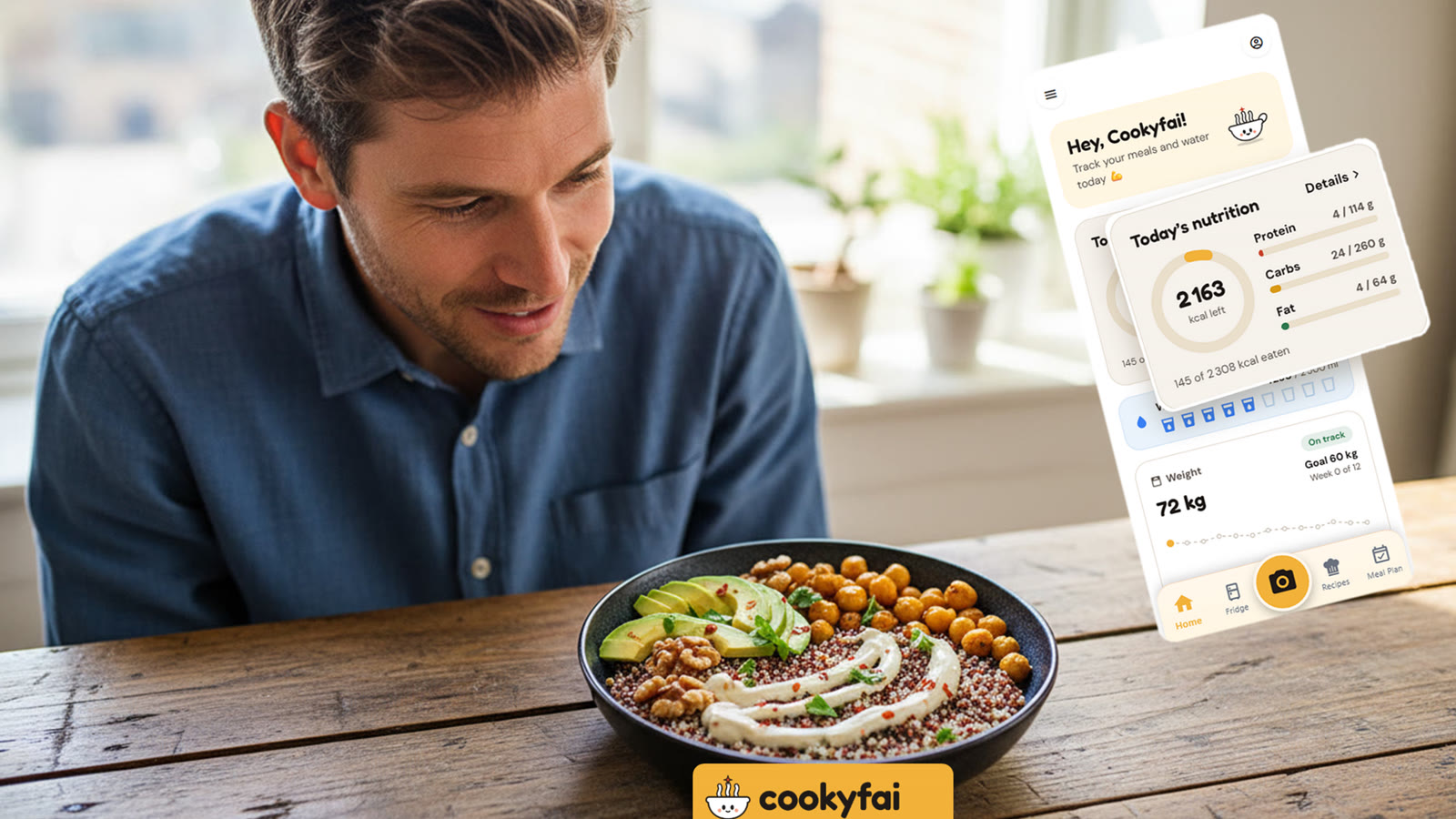
Cookyfai is designed to take the guesswork out of healthy living by acting as your intelligent kitchen companion. Whether you need help managing your inventory or tracking your intake, our app provides the tools to simplify the process. Use our AI-powered fridge scanning to see what you have at home and get recipe suggestions tailored to your diet, helping you reduce waste and cook more often.
When you need to monitor your progress, use our plate scanning feature to get instant insights into your calories and macros. With personalized meal plans and a clean, intuitive dashboard, you can track your daily goals and stay motivated throughout the week. Ready to transform your kitchen experience? Download Cookyfai for free on iOS and Android and start building your healthy habits today. Our platform emphasizes sustainability and ease, ensuring that you don't feel overwhelmed by complex data. By bridging the gap between planning and execution, Cookyfai helps you maintain consistency in your nutritional intake, allowing you to focus on the joy of cooking and eating well rather than spending hours on manual calculations or grocery list management.
Can You Eat Well on a Tight Budget?
Eating well for a healthy life does not require expensive ingredients or specialty items. In fact, some of the most nutrient-dense foods are among the most affordable. Focus your budget on staples like dried beans, lentils, brown rice, oats, and seasonal vegetables. These items are inexpensive, have a long shelf life, and form the basis of many healthy, satisfying meals. Buying in bulk can further reduce costs, especially for pantry items like grains, nuts, and seeds.
Frozen vegetables and fruits are another excellent, budget-friendly strategy. They are typically flash-frozen at peak ripeness, preserving their nutritional profile just as well as fresh produce. They also reduce food waste since you only use what you need. Plan your meals based on what is on sale or in season. By minimizing reliance on expensive, ultra-processed convenience foods, you can significantly lower your grocery bill while increasing your overall nutrient intake. Cooking at home is almost always cheaper than eating out, and it gives you full control over the quality of your ingredients, ensuring you are nourishing your body effectively without exceeding your financial goals.
How to Maintain Healthy Habits During Travel
Maintaining healthy eating habits while traveling or during busy periods can be challenging, but it is entirely possible with a bit of preparation. When you are away from your home kitchen, prioritize simple, whole-food choices. Look for restaurants that offer grilled proteins, steamed vegetables, and salads. When traveling by car or plane, pack your own nutrient-dense snacks like raw nuts, fresh fruit, or homemade energy bars to avoid relying on high-sodium, highly processed airport or gas station offerings.
Hydration is also a critical component of healthy eating that is often overlooked during travel. Aim to drink plenty of water throughout the day to support digestion and energy levels. If you have access to a small kitchenette, consider preparing simple breakfasts like overnight oats to start your day on the right track. Remember that perfection is not the goal; the objective is to make the best possible choices within your current context. If you find yourself in a situation with limited options, simply focus on portion control and balance, and get back to your routine as soon as you return to your normal environment.
Frequently Asked Questions
What is the most important step to start eating better?
The most important step is to focus on adding nutrient-dense whole foods to your diet rather than immediately restricting yourself. Start by including more vegetables and lean proteins in your daily meals to naturally crowd out highly processed options. Consistency with small, manageable changes is far more effective than radical diet overhauls.
How can I eat well on a budget?
Eating well on a budget is easy when you prioritize pantry staples like dried beans, lentils, rice, and frozen vegetables. Buying seasonal produce and planning your meals based on what you already have in your kitchen helps significantly reduce grocery costs. Using an app to track your fridge inventory can also prevent you from buying duplicate items.
Do I need to track every calorie to be healthy?
You do not need to track every calorie to be healthy, but doing so occasionally can provide valuable insights into your portion sizes and nutrient distribution. Tracking can help you understand if you are meeting your protein needs or if you are consistently overeating certain food groups. It is a tool for awareness rather than a requirement for every meal.
How do I handle eating out while trying to stay healthy?
Eating out can be part of a healthy lifestyle if you practice moderation and make informed choices. Look for grilled, steamed, or roasted options and don't be afraid to ask for sauces on the side. Most importantly, enjoy your meal and focus on getting back to your normal routine at your next home-cooked meal.