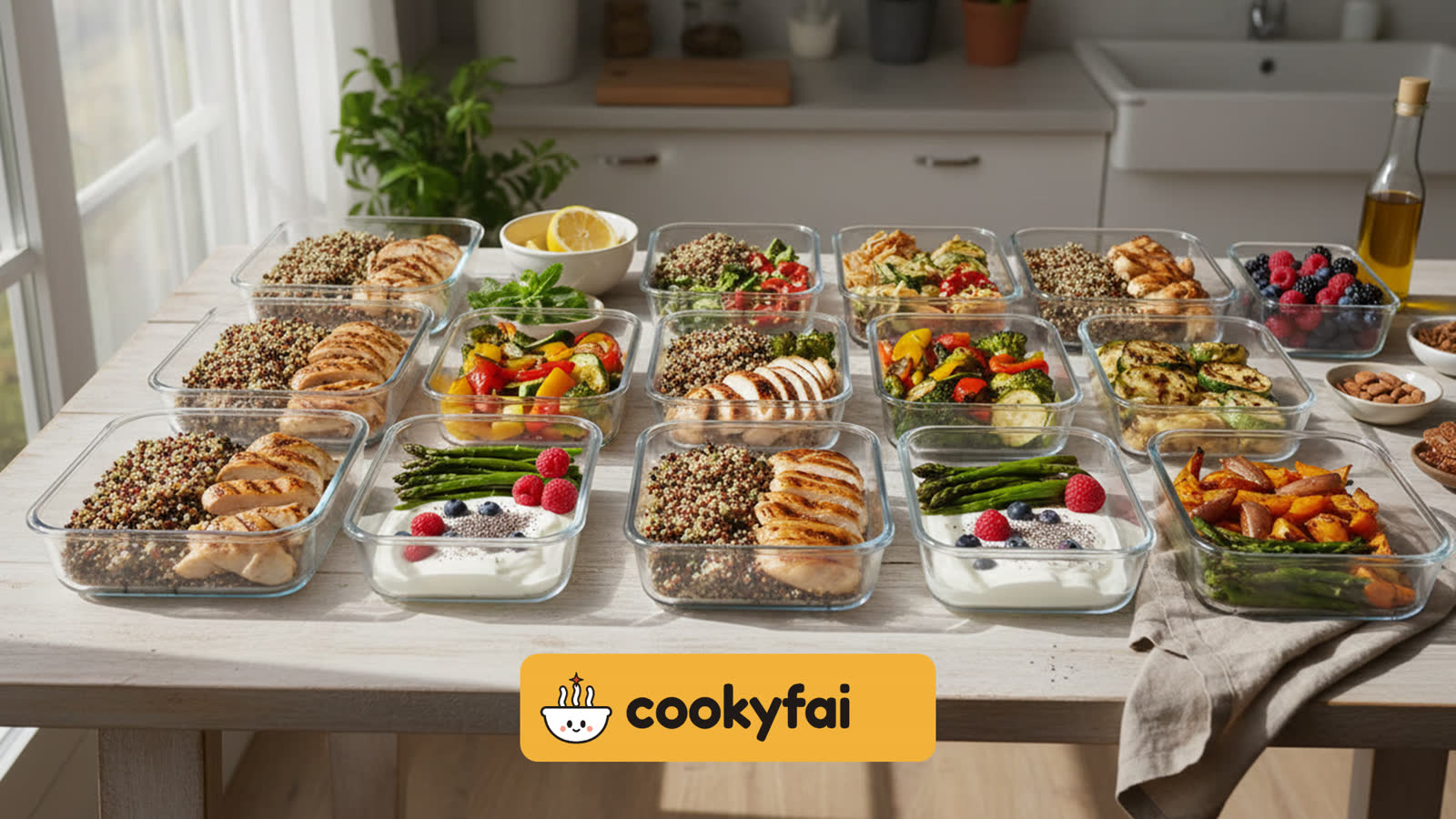
Embarking on a journey toward your health goals requires consistency and clarity, which is exactly why a structured balanced meal plan for weight loss is your best tool. By preparing your nutrition in advance, you eliminate decision fatigue and ensure your body receives the fuel it needs while staying in a manageable caloric deficit. This plan provides a framework for nutrient-dense, satisfying meals that keep your energy stable throughout the week. A balanced meal plan for weight loss focuses on incorporating lean proteins, high-fiber vegetables, healthy fats, and complex carbohydrates. By following this schedule, you can expect to provide your body with approximately 1,600 to 1,800 calories per day, though you should consult a professional to adjust this based on your specific needs, age, and activity levels. Planning ahead is not about restriction; it is about empowerment through preparation, ensuring that your environment supports your objectives rather than hindering them. This approach helps you navigate social situations and busy workdays with confidence, knowing exactly what your next meal entails.
Understanding the Balanced Meal Plan for Weight Loss
This 7-day guide is designed for busy individuals who want to lose weight sustainably without resorting to restrictive or fad dieting. The primary goal is to foster a healthy, long-term relationship with food by prioritizing whole, unprocessed ingredients that nourish the body. Whether you are a professional balancing a hectic schedule or a home cook looking to optimize your nutrition, this plan provides the necessary framework to succeed. Weight loss is rarely about cutting out entire food groups; it is about finding the right balance of macronutrients—proteins, fats, and carbohydrates—that keep you satiated and energized. This plan emphasizes protein-rich breakfasts to kickstart your metabolism, fiber-forward lunches to prevent afternoon crashes, and light, satisfying dinners that promote better sleep quality. Always remember that individual caloric needs vary significantly based on body composition and daily movement. If you have specific medical conditions, such as diabetes, or are pregnant, please consult a dietitian or healthcare provider before starting any new dietary regimen. The focus remains on steady, incremental progress rather than rapid changes that are difficult to maintain over time, ensuring your body gets the vitamins it needs while you work toward your goals.
Your 7-Day Nutritional Schedule
Following a structured 7-day nutritional schedule helps stabilize blood sugar and prevents impulsive snacking. Each day is designed to provide approximately 1,600 to 1,800 calories, with a focus on high protein content to support muscle maintenance while losing fat.
| Day | Breakfast | Lunch | Dinner | Snack |
|---|---|---|---|---|
| Mon | Oats with berries | Quinoa salad | Grilled chicken & broccoli | Apple & almonds |
| Tue | Greek yogurt | Lentil soup | Baked salmon & asparagus | Carrot sticks & hummus |
| Wed | Scrambled eggs | Turkey wrap | Stir-fried tofu & veggies | Pear & walnuts |
| Thu | Chia seed pudding | Chicken salad | Zucchini noodles & pesto | Greek yogurt |
| Fri | Smoothie bowl | Tuna salad | White fish & green beans | Orange slices |
| Sat | Veggie omelet | Leftover roast | Turkey chili | Cottage cheese |
| Sun | Whole grain toast | Mixed bean salad | Roasted chicken & roots | Berries |
Ensure you drink plenty of water throughout the day. Protein portions should be about 100g to 150g per meal, and vegetable portions should cover half your plate to maximize volume and fiber intake without excessive caloric density.
Essential Batch-Cooking Tips for Success
Batch cooking is the secret weapon for anyone trying to stick to a long-term nutrition strategy. Spend about two hours on Sunday preparing your protein sources, such as baking a large tray of chicken breasts, roasting tofu, or boiling eggs. Having these staples ready in your fridge means you can assemble a meal in minutes during the busiest parts of your week, which significantly reduces the temptation to order takeout. Another effective technique is to cook grains like quinoa, farro, or brown rice in bulk. These serve as a versatile base for salads, grain bowls, or stir-fries. Store your prepped ingredients in clear, airtight glass containers so you can easily see what is available, which also helps you manage your fridge inventory effectively and reduces waste. Avoid the common mistake of over-complicating recipes; focus on simple seasoning with dried herbs, garlic, and spices to keep your meals flavorful without adding unnecessary calories from heavy sauces or dressings. By prepping your vegetables—washing, chopping, and storing them in bags—you make it much easier to toss them into a pan at a moment's notice, ensuring you never skip the fiber-rich portion of your dinner.
How to Adapt This Meal Plan
Flexibility is key to making any nutrition plan last. If you find that a particular meal does not suit your taste or dietary restrictions, swap it for an equivalent. For example, if you are vegan, replace chicken with chickpeas, lentils, or tempeh, and swap Greek yogurt for a soy-based alternative. The focus should always be on maintaining the macronutrient balance rather than sticking strictly to specific ingredients. To ensure your progress remains steady, learn how to adjust portion sizes based on your daily activity levels. On days when you are more active, such as after a workout, you might increase your carbohydrate portions, while on less active days, prioritize vegetables and lean proteins. If you struggle with consistency, read our guide on how to stick to your diet for proven strategies to keep you on track throughout the year. Listen to your hunger cues; if you feel overly fatigued, you may need a slight caloric adjustment. Remember that weight loss is not linear, and small adjustments are part of the process. If you find yourself frequently hungry, increase your intake of leafy greens or high-fiber vegetables, which add volume to your meals without significantly increasing the energy density.
Managing Your Grocery Shopping
Effective meal planning starts with a smart shopping list. Group your items by category—produce, proteins, pantry staples, and frozen goods—to save time at the store and avoid impulse buys. Focus on buying seasonal produce, as it is often more affordable and nutrient-dense. Always check your fridge and pantry before you head out to avoid buying items you already have, which is a common source of food waste. If you are unsure how to use up leftover produce, check our guide on what to cook with what's in your fridge. This approach not only saves money but also encourages creativity in the kitchen. By keeping your pantry stocked with staples like canned beans, lentils, whole grains, and frozen berries, you will always have the components for a healthy meal at your fingertips, even on days when you haven't visited the store. When shopping, prioritize whole foods over processed snacks. If you see items that trigger overeating, it is best to keep them out of the house entirely to remove the decision-making burden during stressful moments in your week.
How Cookyfai Supports Your Nutrition Goals
Cookyfai transforms your kitchen experience by integrating technology into your daily routine. With our AI-powered features, you can scan your fridge to see what ingredients you currently have, helping you generate recipes matched to your diet and available stock. This eliminates the guesswork when you are trying to follow a specific meal plan. When you are out and about, use our plate scanning feature to track your calories and macros instantly, making it easier to stay within your daily targets. Our dashboard provides a clear view of your progress, keeping you motivated as you work toward your health goals. We provide nutritional breakdowns for every recipe, helping you understand the impact of your food choices. Download the app for free on iOS and Android to get started with Cookyfai today. Our platform is built to help you simplify the complex task of nutrition tracking, allowing you to focus on the enjoyment of cooking and the benefits of a balanced diet. Whether you are tracking fiber, protein, or total calories, our tools provide the data you need to make informed decisions for your body and your lifestyle.
Common Questions About Balanced Meal Planning
Many people wonder if they need to count every single calorie to see results. While tracking provides data, the most important factor is the quality of your food choices and your consistency. A balanced meal plan for weight loss should prioritize whole foods that keep you satiated for longer. Another frequent question is whether you can eat out while on a plan. The answer is yes; look for grilled protein, steamed vegetables, and avoid hidden sugars in sauces. Moderation and planning are key; check the menu online beforehand if possible. People also ask if they should skip meals to save calories. This is strongly discouraged as it often leads to extreme hunger and binge eating later. Instead, space your meals out to maintain steady energy levels. If you feel stuck, consider your hydration and sleep, as both play critical roles in metabolism and appetite regulation. Remember, weight loss is a marathon, not a sprint. If you have a day where you do not follow the plan perfectly, do not worry; simply return to your balanced routine the next day. The goal is long-term habit formation rather than perfection on any single day.
Nutritional Guidelines for Sustainable Weight Loss
When designing your meals, aim for a plate composition that includes 50% non-starchy vegetables, 25% lean protein, and 25% complex carbohydrates. This ratio ensures you get a high volume of food with essential nutrients while managing your caloric intake. Fiber is particularly important; aim for at least 25g to 30g per day to support digestive health and satiety. Protein intake should be sufficient to preserve lean muscle mass; a general target is about 1.2g to 1.6g of protein per kilogram of body weight, though this varies based on your activity level. Healthy fats, such as those from avocados, nuts, seeds, and olive oil, are vital for hormonal health but should be consumed in moderation due to their high caloric density. Avoid liquid calories like sodas or sweetened coffees, as they provide little nutritional value and can add hundreds of calories to your daily total without reducing hunger. Consistency in meal timing also helps regulate your hunger hormones. By eating at similar times each day, you help your body anticipate fuel, which can reduce cravings. Always prioritize whole-food sources over supplements, using the latter only if specifically recommended by a professional to address a diagnosed deficiency.
Frequently Asked Questions
How many calories should I aim for in a weight loss meal plan?
Calorie needs vary based on your age, weight, gender, and activity level. It is best to consult a registered dietitian to determine a healthy deficit that allows for gradual, sustainable weight loss.
Can I lose weight without counting every single calorie?
Yes, focusing on whole, unprocessed foods and portion control can be very effective. Tools like Cookyfai can help you track your intake effortlessly if you choose to monitor your progress more closely.
How do I stay consistent with a meal plan during busy weeks?
Batch cooking and having a simple, pre-planned shopping list are the best ways to stay consistent. Preparing your ingredients in advance ensures you always have a healthy option ready when you are short on time.
What should I do if I go over my calorie goal for the day?
Don't worry; one day of overeating will not undo your progress. Focus on returning to your balanced habits the next day and remember that nutrition is a long-term process, not a daily competition.