Learning how to roast vegetables perfectly is a fundamental kitchen skill that transforms simple produce into a delicious, caramelized side dish. Whether you are prepping for a healthy weeknight dinner or looking to add more fiber to your diet, mastering the oven is the best way to elevate your ingredients. By understanding the science of heat and moisture, you can ensure your vegetables are never soggy or burnt, but consistently golden and tender.
To roast vegetables perfectly, ensure your oven is preheated to at least 200°C (400°F), cut vegetables into uniform pieces, and avoid overcrowding the baking sheet. Patting your vegetables dry before adding oil and seasoning is the secret to achieving that coveted crispy texture and deep flavor profile. This guide covers the essential techniques, temperature control, and common pitfalls to help you achieve the best results every time you turn on your oven.
How to roast vegetables perfectly through an essential setup
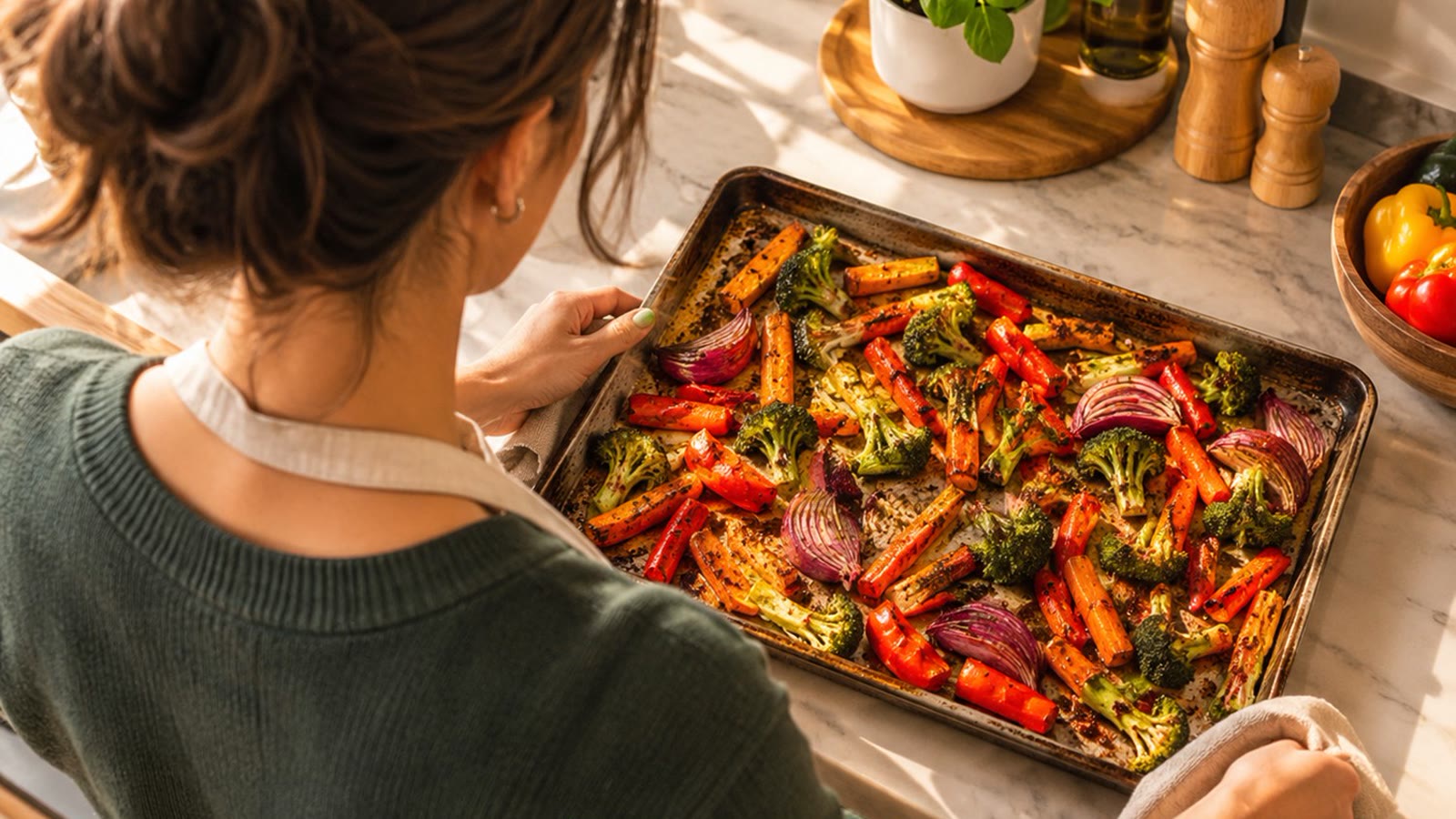
Before you begin, gathering the right tools makes a significant difference in the final outcome. A heavy-duty, rimmed baking sheet is superior to thin trays because it retains heat more effectively, which helps in browning the undersides of your vegetables. If you struggle with sticking, a piece of parchment paper or a silicone baking mat provides a non-stick surface that also makes cleanup much easier. Preparation of the vegetables is equally important. You want to aim for uniform sizes so that every piece finishes cooking at the same time. If you mix dense vegetables like carrots or potatoes with quick-cooking ones like zucchini or bell peppers, the former will remain raw while the latter turns to mush. Grouping vegetables by density allows for a more controlled roasting process. Aim for cubes about 2.5cm to 3cm in size for optimal roasting. If you want to learn more about balancing your plate with these healthy sides, check out our guide on how to eat well for a healthy life. Consistent preparation ensures that the Maillard reaction occurs uniformly, giving you that perfect golden-brown finish across the entire tray.
Choosing the right temperature
Temperature is the engine of the roasting process. While you might be tempted to roast everything at a lower heat to prevent burning, high heat is actually the key to caramelization. For most root vegetables and cruciferous items like broccoli or cauliflower, 200°C to 220°C (400°F to 425°F) is the sweet spot. This range encourages the Maillard reaction, the chemical process that creates the complex, savory flavors we associate with roasted food. If you are working with more delicate vegetables like asparagus or cherry tomatoes, you may want to drop the temperature slightly to about 190°C (375°F) to prevent them from drying out before they are cooked through. Always place your baking sheet on the middle rack of your oven. This position allows for optimal air circulation, which is necessary to evaporate excess moisture and achieve that crispy exterior. If you have multiple racks in use, rotate your pans halfway through the cooking time to ensure even heat distribution. For those with convection ovens, reducing the heat by about 15°C is recommended, as the circulating air cooks food faster and more intensely than standard thermal settings.
The role of oil and seasoning
Oil is not just for preventing sticking; it is a vital heat conductor. When you toss your vegetables in a light coating of oil, it helps transfer the oven's heat evenly across the entire surface area. Olive oil, avocado oil, or even melted coconut oil work well depending on the flavor profile you want. Don't over-drench them, though; a tablespoon or two is usually enough for a standard tray of vegetables. Too much oil can cause the vegetables to steam rather than roast. Seasoning should happen before the vegetables hit the oven. While salt and pepper are the gold standard, don't be afraid to experiment with dried herbs like thyme, rosemary, or smoked paprika. If you are adding fresh, delicate herbs like parsley or cilantro, wait until the vegetables come out of the oven to sprinkle them on top. Adding them too early often results in a bitter, burnt taste that detracts from the natural sweetness of the roasted produce. Remember that salt draws moisture out of vegetables, so if you want maximum crispiness, salt them immediately before placing them into the preheated oven rather than letting them sit for long periods.
Common roasting mistakes and how to fix them
One of the most common mistakes is overcrowding the pan. When vegetables are piled on top of each other, they release steam instead of roasting, resulting in a limp, boiled texture. If you have a large amount of vegetables, use two separate baking sheets rather than cramming everything onto one. Giving each piece enough space allows the hot air to surround it completely. Another frequent error is failing to toss the vegetables halfway through the cooking time. Even with a high-quality oven, hot spots exist. Giving the pan a good shake or using a spatula to flip the vegetables ensures even browning on all sides. If you notice your vegetables are starting to look dark in some spots but are still firm in the center, cover the pan loosely with foil for the last few minutes to trap a little more heat without further browning. Additionally, avoid using too many different types of vegetables on one tray if they have drastically different moisture contents, as the steam from high-water vegetables like mushrooms can ruin the crispness of drier vegetables like potatoes.
Variations and flavor pairings
Once you have the technique down, you can play with endless variations. You can toss your vegetables with balsamic vinegar or a drizzle of honey before roasting to enhance their natural sugars. For a different texture, try adding a sprinkle of parmesan cheese or nutritional yeast in the final five minutes of roasting for a nutty, savory crust. Consider the seasonality of your ingredients as well. In the autumn, squash and parsnips pair beautifully with warm spices like cinnamon and nutmeg. In the spring, asparagus and snap peas benefit from a light lemon zest and garlic finish. If you are looking to incorporate these into a structured nutrition plan, you might find our 7-day balanced meal plan useful for organizing your weekly intake. You can also experiment with glazes; a mixture of maple syrup and Dijon mustard works wonders on roasted Brussels sprouts. If you are cooking for specific dietary needs, always consult with a dietitian to ensure your seasoning choices align with your health goals, especially regarding sodium intake or blood sugar management.
How Cookyfai simplifies your kitchen experience
Managing your kitchen and nutrition is easier when you have the right tools. With Cookyfai, you can use our fridge scanning feature to see what produce you already have on hand, helping you decide which vegetables to roast tonight. If you are unsure about the caloric impact of your side dishes, our plate scanning feature allows you to log your meals instantly, helping you keep track of your macros and overall nutrition goals. Our app also provides AI-powered recipe suggestions based on your specific dietary preferences, ensuring that your roasted vegetables always pair perfectly with the rest of your meal. Whether you are tracking your protein intake or simply trying to reduce food waste, Cookyfai acts as your intelligent cooking companion. Ready to transform your kitchen routine? Download it for free in IOS and Android to get started on your journey to smarter, healthier cooking. By integrating these features into your daily life, you can spend less time planning and more time enjoying perfectly cooked, nutrient-dense meals that support your lifestyle and help you achieve your personal wellness milestones with precision and ease.
Can I roast frozen vegetables successfully?
Roasting frozen vegetables is possible, but it requires a slightly different approach than fresh produce. Because frozen vegetables contain high amounts of water due to the ice crystals, they are prone to becoming mushy if not handled correctly. The most important rule is to never thaw them beforehand. Keep them frozen until the exact moment they are ready to go onto the tray. Preheat your oven to a higher temperature, around 220°C (425°F), to help evaporate the excess moisture quickly. Spread the frozen vegetables in a single layer on a preheated baking sheet; the heat from the metal helps start the cooking process immediately. Do not crowd the pan, as this is even more critical with frozen items. You may find that frozen vegetables take a few minutes longer to brown than their fresh counterparts. While they may not achieve the exact same level of crispness as fresh produce, they are an excellent, convenient option for busy weeknights. If you are managing specific health conditions like diabetes, remember to check labels for any added sauces or sugars that might impact your blood glucose levels.
How do I store and reheat roasted vegetables?
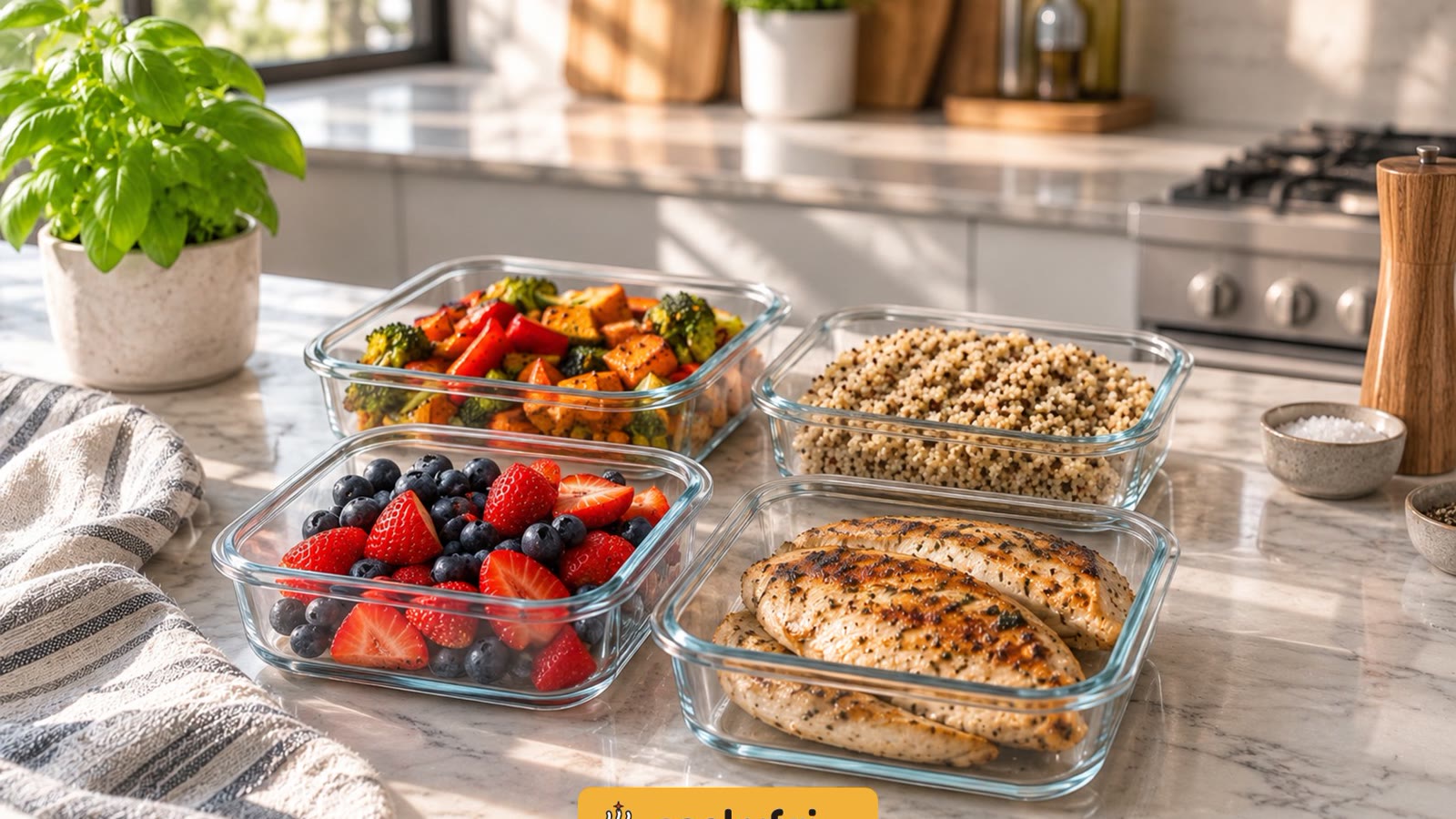
Proper storage and reheating are essential to maintaining the quality of your roasted vegetables. After cooking, allow the vegetables to cool completely on the baking sheet before transferring them to an airtight container. This prevents condensation from forming inside the container, which would make them soggy. They can be stored in the refrigerator for about three to four days. When you are ready to eat them again, avoid the microwave, as it will make them limp. Instead, reheat them in a preheated oven or toaster oven at 180°C (350°F) for about 10 minutes until they are warmed through and have regained some of their crispness. Alternatively, a quick sauté in a hot pan with a tiny bit of oil can restore their texture. If you find yourself with leftovers, they make an excellent addition to salads, grain bowls, or even blended into a quick soup. Always ensure that your leftovers are stored within two hours of cooking to maintain food safety standards. If you have questions about nutritional storage or meal prepping for specific diets, consult your healthcare provider or a registered dietitian.
Frequently Asked Questions
Why are my roasted vegetables soggy?
Soggy vegetables usually happen because the pan is overcrowded or the oven temperature is too low. Ensure you leave enough space between pieces for air circulation and set your oven to at least 200°C (400°F) to allow moisture to evaporate quickly.
Do I need to peel all vegetables before roasting?
Most vegetables like carrots, potatoes, and parsnips do not need to be peeled if they are scrubbed clean. The skin often contains extra nutrients and adds a pleasant texture, though you may prefer to peel thicker-skinned varieties for specific dishes.
Can I roast frozen vegetables?
Yes, but they will not get as crispy as fresh ones because of the excess water content. To get the best results, roast them directly from frozen at a high temperature and do not thaw them beforehand.
How do I know when roasted vegetables are done?
Roasted vegetables are done when they are fork-tender and have achieved a golden-brown color. You should be able to easily pierce them with a knife without any resistance.