Mastering healthy meal prep ideas is the most effective way to ensure you eat nutritious food even when your schedule feels overwhelming. By dedicating a small amount of time to planning and preparing, you eliminate the daily stress of deciding what to cook, helping you stay consistent with your dietary goals. Healthy meal prep involves planning, shopping for, and partially or fully cooking your meals in advance. Whether you prefer full-week batch cooking or a 'mix-and-match' component approach, the goal is to have nourishing ingredients ready to assemble, reducing the temptation to rely on processed convenience foods. This guide explores how to build a sustainable routine that fits your lifestyle, keeps your nutrition on track, and saves you money while reducing food waste. Before beginning any major dietary changes, especially if you have underlying health conditions, are pregnant, or have specific medical dietary requirements, it is important to consult with a registered dietitian or your healthcare provider to ensure your plan meets your unique needs.
Understanding the Basics of Healthy Meal Prep Ideas
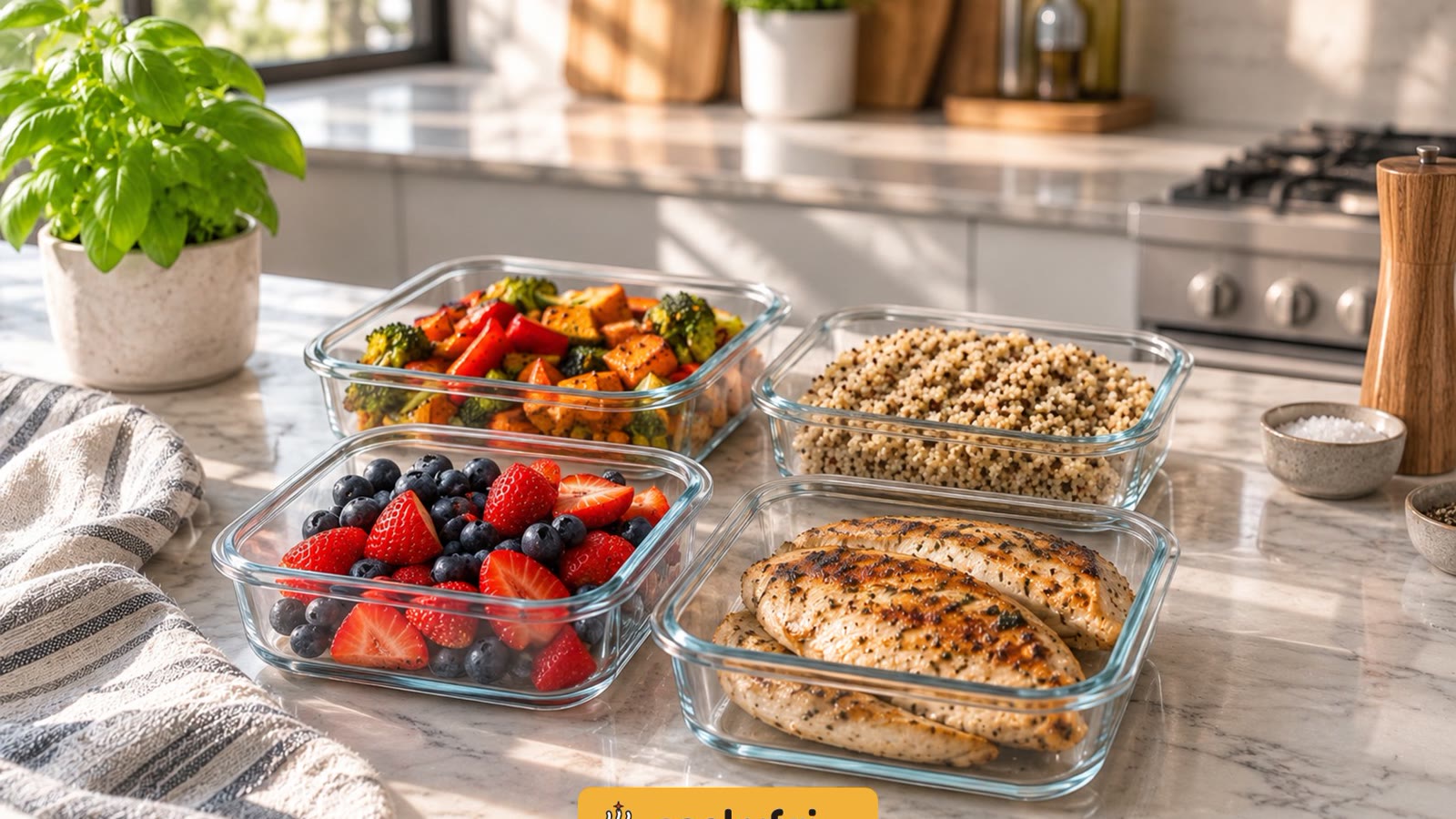
Before you start cooking, you need a strategy. The most common mistake beginners make is trying to cook every single meal for seven days at once, which often leads to burnout. Instead, focus on 'component prepping.' This means cooking versatile ingredients that can be used in multiple ways throughout the week. For example, roast a large tray of seasonal vegetables, boil a batch of quinoa or brown rice, and grill a few portions of protein like chicken or tofu. Keep your prep simple by selecting recipes that share common ingredients. If your Monday dinner uses bell peppers and onions, ensure your Tuesday lunch does as well. This reduces waste and saves money at the grocery store. Always start small—aim to prep just your lunches for three days before attempting a full weekly overhaul. When you are ready for more structure, you can try following a 7-Day Balanced Meal Plan for Weight Loss in 2026 to guide your efforts. Focus on textures and flavors that hold up well in the fridge, such as hearty grains, roasted root vegetables, and legumes, which maintain their integrity better than delicate greens or soft fruits over several days of storage.
Essential Tools for Successful Batch Cooking
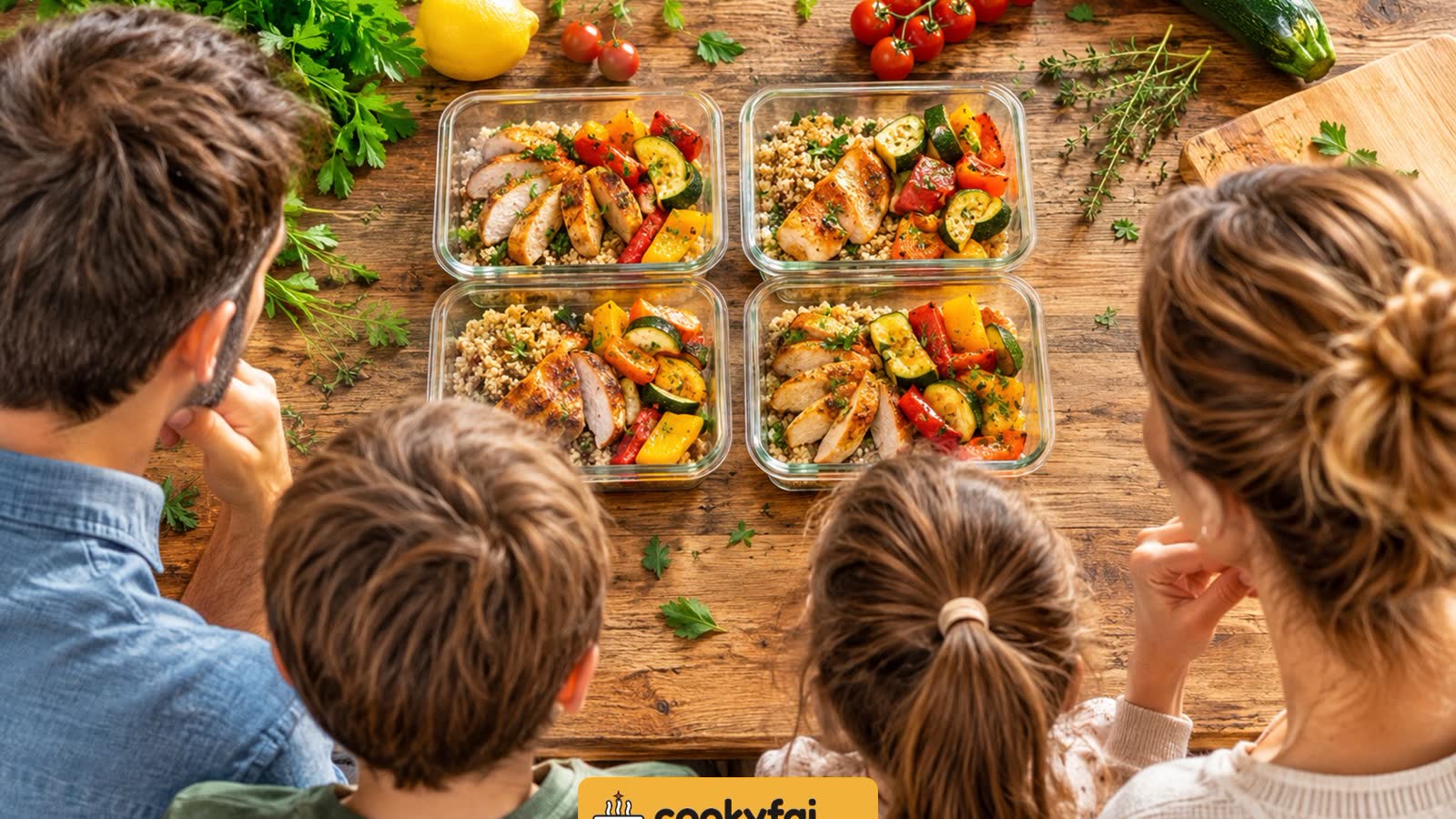
Having the right gear makes a world of difference. Investing in high-quality, airtight glass containers is a game-changer for food safety and flavor preservation. Unlike plastic, glass containers don't absorb odors and are microwave and dishwasher safe. You will also want a set of uniform containers to make stacking in your fridge easier, maximizing your available space. Beyond containers, consider tools that speed up the process. A high-quality chef's knife and a large cutting board are non-negotiable. If you find yourself chopping a lot of vegetables, a food processor can save you significant time. For those who prefer hands-off cooking, a slow cooker or pressure cooker is invaluable for making stews, grains, and legumes in large batches. Remember that organization is key; keep your kitchen surfaces clear so you have plenty of room to work efficiently. Using a digital kitchen scale can help you portion out meals accurately if you are following specific nutritional targets. Consider silicone baking mats to reduce the need for parchment paper and make cleanup faster after roasting large batches of protein or vegetables. Finally, label your containers with masking tape and a marker to track the date of preparation, ensuring you prioritize older meals first.
How to Structure Your Weekly Prep Schedule
Consistency is built on a routine. Many people find success by dedicating a specific time—such as Sunday afternoon—to their prep, but you can also break it into smaller sessions. Try doing a 'mini-prep' on Wednesday evening to refresh your ingredients for the remainder of the week. This keeps your food tasting fresh and prevents the 'reheated' fatigue that can sometimes occur with long-term storage. When planning, prioritize foods that hold up well over time. Leafy greens should be stored dry with a paper towel to absorb moisture, while hearty grains and roasted proteins can last up to four days in the refrigerator. If you are struggling to keep track of your inventory, remember that knowing what to cook with what's in your fridge is a vital skill for reducing waste. Always aim to store components separately rather than fully assembled salads or bowls, which can become soggy. To optimize your time, create a workflow: start the items that take the longest, like grains or slow-cooked meats, then move to chopping vegetables while those cook. This stacking technique ensures your kitchen time remains productive and minimizes the total time spent standing at the counter.
Balancing Macros and Nutrition in Your Prep
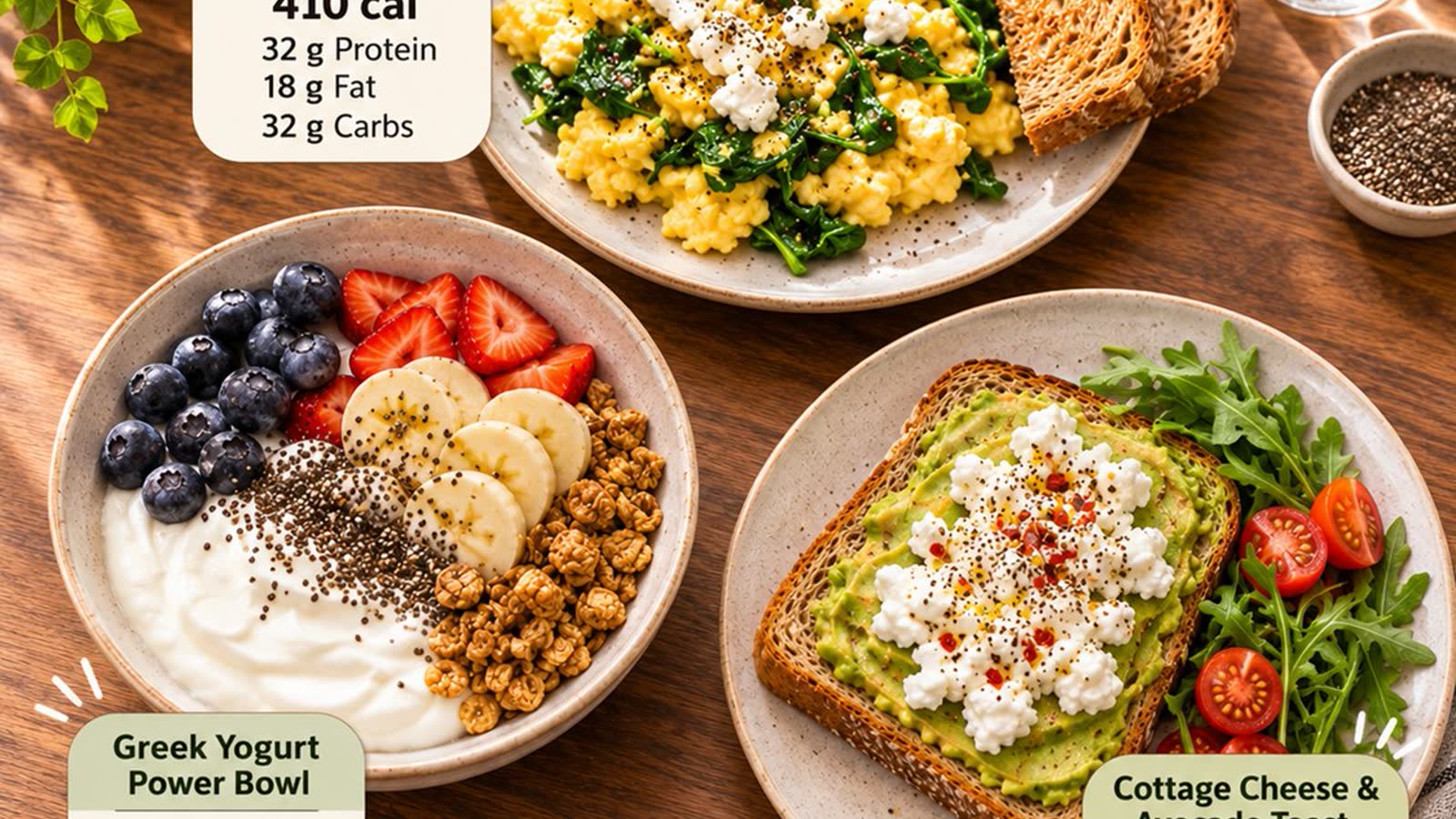
A common challenge when meal prepping is ensuring your meals remain nutritionally balanced. It is easy to fall into a rut of eating the same chicken and broccoli bowl every day, but variety is essential for long-term adherence. Aim for a mix of complex carbohydrates, lean proteins, and healthy fats in every container. If you are tracking your progress, use tools like how to count calories from a photo of your plate to stay aware of your intake. Don't forget fiber; adding legumes, seeds, or whole grains can significantly improve satiety. If you notice your energy levels dipping, look at your protein intake. For those interested in optimizing their intake, a simple high-protein meal plan for the week can provide a great framework for your next prep session. Vary your protein sources by rotating between fish, eggs, tofu, lentils, and lean meats. Incorporate colorful vegetables to ensure a wide range of micronutrients. If you find yourself craving something specific, build your prep around a theme—like Mediterranean or Mexican-inspired flavors—using different spice blends to keep the meals interesting without needing complex new recipes every single week.
Common Mistakes to Avoid When Meal Prepping
One major pitfall is over-prepping. It is better to have a few meals you genuinely enjoy than a fridge full of food that feels like a chore to eat. Another mistake is ignoring the importance of flavor; if you don't season your food during the prep phase, you will likely be disappointed when you reheat it. Use fresh herbs, citrus zest, and spices to keep your meals exciting. Temperature control is also critical. Always allow your cooked foods to cool completely before sealing them in containers to prevent condensation, which leads to bacterial growth. If you are ever unsure about the safety of a stored meal, it is better to discard it. Lastly, don't be afraid to keep some 'emergency' healthy items on hand—like canned beans or frozen vegetables—to fill the gaps when your prep runs short. Avoid cross-contamination by using separate cutting boards for raw proteins and produce. If you are freezing meals, leave a little space at the top of the container, as food expands when frozen. Finally, don't feel pressured to make every meal perfect; a simple bowl of roasted vegetables and beans is far better than skipping a nutritious meal entirely.
How Cookyfai Simplifies Your Kitchen Experience
Cookyfai is designed to take the guesswork out of your healthy meal prep ideas. By using the app's smart fridge management feature, you can scan your groceries as you buy them to keep an inventory of what you have, ensuring you never buy double or let food go to waste. The AI-powered recipe discovery tool suggests meals based on the ingredients you already own, making it easy to plan your weekly batch cooking without tedious searching. Once your meals are ready, you can use the AI plate scanning feature to track your nutrition instantly. Simply snap a photo of your prepped meal to get a breakdown of your calories and macros, helping you stay aligned with your health goals. If you need a more structured approach, the app offers personalized meal plans that take the burden of choice off your shoulders. Download Cookyfai for free on iOS and Android today and transform your kitchen into an efficient, intelligent cooking space. Our platform also includes a community section where you can share your favorite prep hacks and find inspiration from other users who are also balancing busy lives with healthy, homemade meals. Get started here.
How Long Does Prepped Food Actually Last?
Understanding food safety is critical when prepping meals in advance. As a general rule, most cooked proteins and grains can be safely stored in an airtight container in the refrigerator for three to four days. To maximize freshness, store components in the coldest part of your fridge, which is usually the back rather than the door. If you are prepping for a full week, consider freezing half of your portions immediately after they cool. This 'cook once, eat twice' approach ensures that your Thursday and Friday meals taste as fresh as your Monday ones. When reheating, ensure the food reaches an internal temperature of about 74°C (165°F). Avoid letting cooked food sit out at room temperature for more than two hours, as this is the 'danger zone' for bacterial growth. If you are planning to store salads, keep the dressing in a separate small container and add it just before eating to prevent the greens from wilting. By following these storage guidelines, you can safely enjoy home-cooked meals throughout the work week without compromising on food quality or your personal health safety.
Can I Meal Prep on a Tight Budget?
Meal prepping is one of the most effective ways to reduce your monthly food costs. By planning your meals around seasonal produce and buying staples in bulk, you can significantly lower your grocery bill. Focus on affordable, nutrient-dense ingredients such as dried beans, lentils, brown rice, oats, and frozen vegetables. Buying in bulk—especially for grains and legumes—is significantly cheaper than purchasing pre-packaged versions. Frozen vegetables are often just as nutritious as fresh ones because they are flash-frozen at peak ripeness, and they are usually much cheaper out of season. Another budget strategy is to utilize 'leftover' ingredients in creative ways; for instance, a roasted chicken can be used for dinner, then shredded for tacos, and the bones can be boiled to make a nutrient-rich broth for soups. Avoid impulse purchases by writing a shopping list based on your weekly plan and sticking to it strictly. Remember that simplicity is your friend; a basic, well-seasoned meal made from inexpensive, whole-food ingredients is always superior to expensive processed options. With a little planning, you can maintain high nutritional standards while keeping your household budget well under control.
Frequently Asked Questions
How long does meal-prepped food stay fresh in the fridge?
Generally, most cooked meals and prepped ingredients stay safe and fresh in an airtight container for three to four days. It is best to consume proteins like fish within two days, while grains and roasted vegetables can often last up to four or five days.
What is the best way to reheat prepped meals?
For the best texture, reheat your meals on the stovetop or in the oven rather than the microwave. If you must use a microwave, add a splash of water or broth to your container to help steam the food and prevent it from drying out.
Can I freeze my meal prep?
Yes, freezing is excellent for extending the life of your meals, especially soups, stews, and casseroles. Use freezer-safe bags or containers and label them with the date to ensure you use them within two to three months for the best quality.
Do I need to buy expensive containers for meal prep?
You do not need expensive gear to start. While glass containers are durable and long-lasting, you can begin with clean, recycled plastic containers or jars you already have at home. Focus on starting your habit before investing in a matching set.