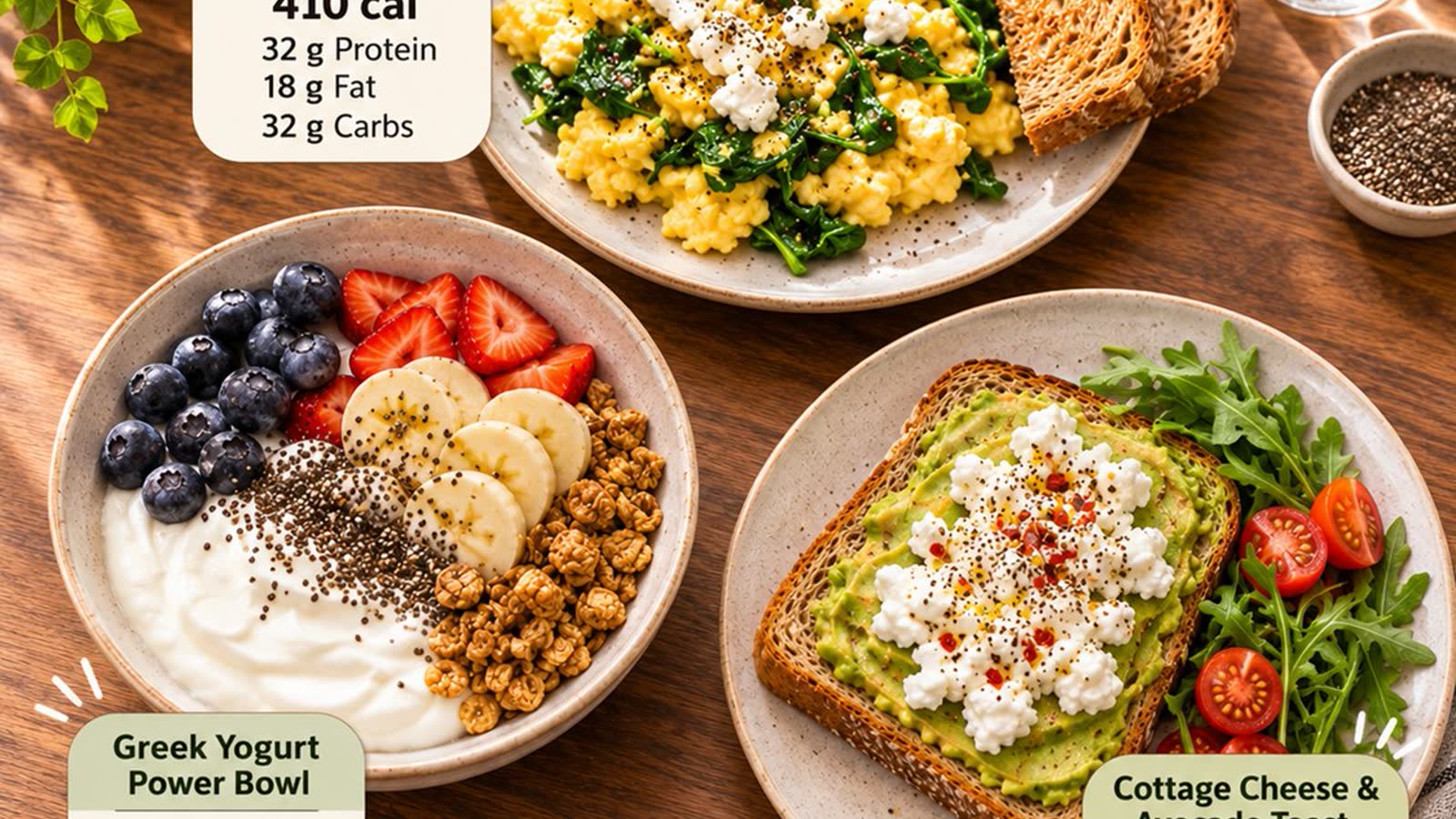
Adopting an effective weekly meal plan strategy is the most reliable way to simplify your kitchen routine and maintain consistent nutrition. By organizing your meals in advance, you eliminate daily decision fatigue and ensure you have healthy ingredients ready when hunger strikes. A weekly meal plan strategy involves selecting simple, complementary recipes, creating a consolidated shopping list, and using batch-cooking techniques to prepare components ahead of time. This approach minimizes food waste, saves significant time during the work week, and helps you stay aligned with your personal health goals. Implementing this structure allows you to transition from reactive eating—grabbing whatever is available—to intentional nourishment that supports your lifestyle and energy levels throughout the day.
Who This Weekly Meal Plan Strategy Is For
This approach is designed for busy professionals, families, and anyone looking to take control of their nutrition without spending hours in the kitchen every evening. Whether your goal is weight management, muscle gain, or simply eating more whole foods, the core of this strategy is flexibility and preparation. If you find yourself ordering takeout because you lack ingredients or time, this plan will provide the structure needed to stay consistent. It is especially useful for those who want to track their macros or calories effectively, as planning ahead makes it much easier to log your food intake accurately. For those focusing on specific health outcomes, you might also find our guide on how to stick to your diet helpful for maintaining long-term habits. By front-loading the decision-making process, you remove the friction that often leads to impulsive food choices. This strategy works well for people with varying schedules, as it allows for 'mix and match' components that can be assembled in under 10 minutes. If you have specific medical conditions, such as diabetes or require a restricted diet, always discuss your plan with a dietitian before making significant changes to your intake.
Your Weekly Meal Plan Overview
This schedule focuses on versatile ingredients that can be repurposed throughout the week. By preparing larger portions of grains, proteins, and roasted vegetables, you can assemble varied meals in minutes. The key is to avoid repetitive flavors by using different sauces or spices. For example, roasted chicken can be seasoned with lemon and herbs for a salad, or with soy and ginger for a stir-fry.
| Day | Breakfast | Lunch | Dinner | Snack |
|---|---|---|---|---|
| Mon | Oatmeal + Fruit | Quinoa Salad | Roasted Chicken | Almonds |
| Tue | Greek Yogurt | Leftover Chicken | Lentil Stew | Apple |
| Wed | Smoothie | Lentil Stew | Baked Salmon | Carrots |
| Thu | Oatmeal + Fruit | Salmon Salad | Beef Stir-fry | Greek Yogurt |
| Fri | Greek Yogurt | Stir-fry Leftovers | Veggie Tacos | Berries |
| Sat | Scrambled Eggs | Fresh Salad | Roasted Veggie Pasta | Fruit |
| Sun | Pancakes | Soup | Prep for Week | Nuts |
This table provides a balanced foundation, but feel free to adjust portions based on your individual caloric needs. Focus on high-fiber vegetables and lean proteins to ensure satiety between meals, which helps prevent mid-afternoon energy crashes.
Smart Grocery Shopping for Efficiency
To make your weekly meal plan strategy work, your shopping list must be grouped by category. This prevents aimless wandering in the store and ensures you only buy what you need, which is a key step in reducing food waste. Learn more about how to manage your pantry effectively with our advice on what to cook with what's in your fridge.
Produce
- Leafy greens (spinach, kale): 200g per person/week
- Seasonal fruits (apples, berries): 5-7 servings
- Vegetables (carrots, bell peppers, broccoli, onions): Aim for 2kg total
Proteins & Dairy
- Chicken breast or thighs: 500g
- Salmon fillets: 300g
- Lean beef strips: 300g
- Greek yogurt (plain): 500g tub
- Eggs: 1 dozen
Pantry & Grains
- Quinoa or brown rice: 300g dry
- Lentils or canned beans: 2-3 cans
- Nuts and seeds: 150g
- Olive oil and basic spices: Ensure pantry staples are stocked
Categorizing your list by produce, protein, and pantry sections saves time at the register and prevents over-purchasing. Always check your inventory before leaving home to avoid buying items you already have. This disciplined approach is the foundation of a sustainable, cost-effective meal plan.
Mastering Batch-Cooking Techniques
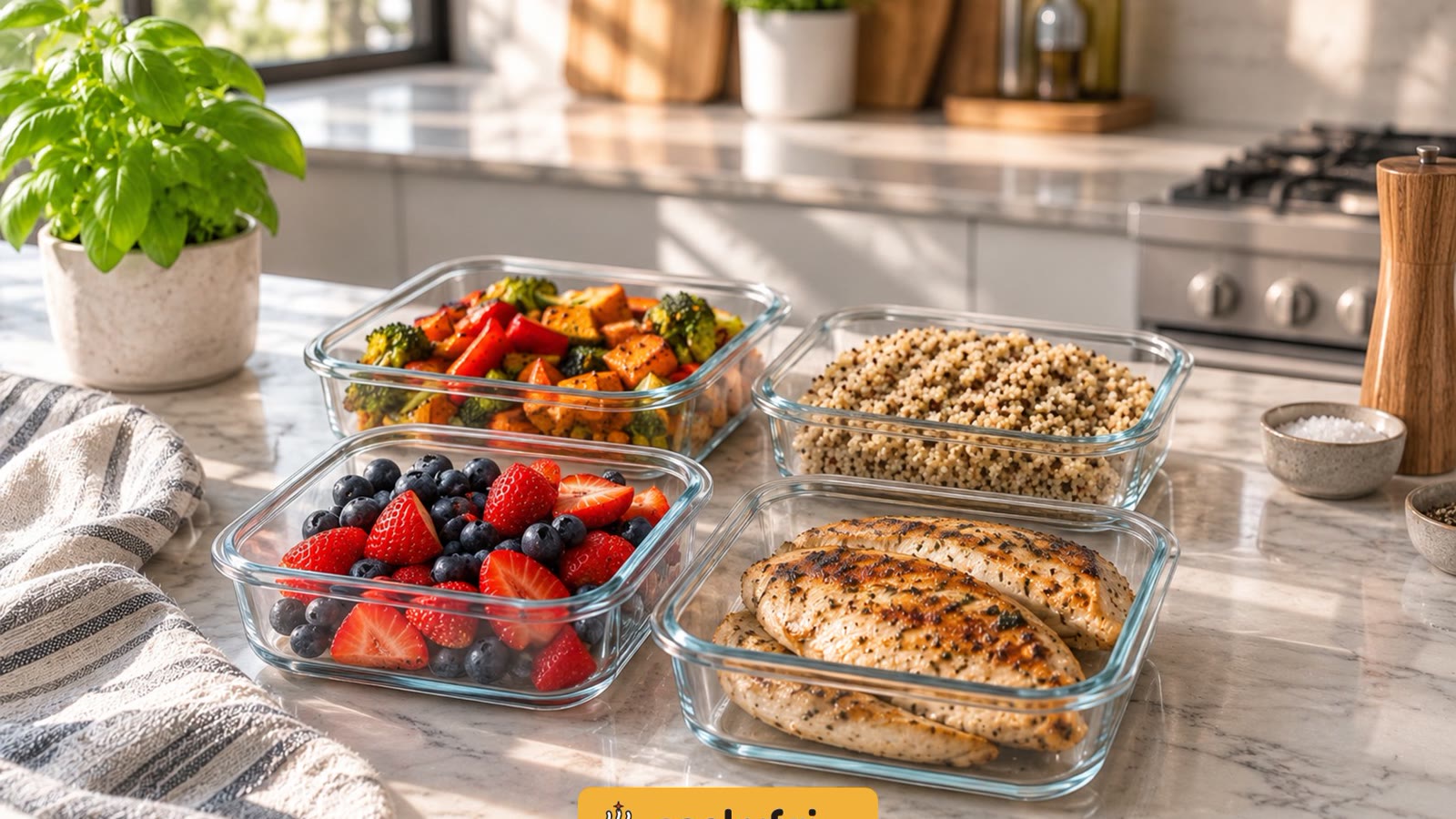
Batch cooking is the secret weapon of any successful weekly meal plan strategy. Rather than cooking every meal from scratch, dedicate two hours on Sunday to prepare foundational items that serve as the base for multiple dishes. Start by roasting a large tray of seasonal vegetables—toss them in olive oil and roast at 200°C for about 30 minutes. Simultaneously, cook a batch of grains like quinoa or rice. You can also poach or bake your proteins in bulk. These pre-cooked components can be stored in airtight containers for up to four days in the refrigerator.
Avoid common mistakes like overcooking proteins, which can lead to dry, unappealing meals by Thursday. Instead, slightly undercook meats so they remain tender when reheated. If you need inspiration for high-protein foundations, check out our simple high-protein meal plan for the week. Proper storage is critical; ensure your containers are BPA-free and seal tightly to maintain freshness. Cooling food completely before sealing prevents excess moisture buildup, which can cause vegetables to turn mushy. This process transforms your kitchen into a professional-style workstation, making weeknight assembly as simple as pulling containers from the fridge and heating.
Adapting the Plan to Your Needs
No meal plan should be rigid. If you prefer different proteins or need to adjust for dietary restrictions, swap items while keeping the cooking method the same. For instance, if you are following a pescatarian diet, replace the chicken and beef with tofu, tempeh, or additional fish options. Always monitor your energy levels and satiety. If you feel hungry between meals, increase your portion of complex carbohydrates or healthy fats, such as adding half an avocado or an extra handful of nuts.
If you are tracking your nutrition, remember that individual needs vary based on activity level, age, and biological factors. Use a food scale to measure portions if you are aiming for specific calorie targets. If you find your energy dipping, reassess your macronutrient balance—perhaps you need more protein at breakfast or more fiber at lunch. Always consult a dietitian if you have specific medical requirements, are pregnant, or need a tailored plan for managing conditions like hypertension or diabetes. Adjusting your plan is not a failure; it is a sign that you are listening to your body’s unique requirements and refining your system for better long-term adherence and health.
How Cookyfai Supports Your Meal Planning
Cookyfai transforms your weekly meal plan strategy by integrating technology directly into your kitchen. Use the app to scan your fridge or pantry to see what ingredients you already have, preventing duplicate purchases and helping you create recipes based on your current stock. When you are ready to eat, use the AI plate scanning feature to track your calories and macros instantly by taking a photo of your meal. Our dashboard keeps your goals visible, helping you maintain consistency throughout the week.
Beyond tracking, the app offers dynamic recipe scaling, allowing you to adjust ingredient quantities based on the number of servings you need for your batch cooking. This eliminates the guesswork of math in the kitchen. By centralizing your shopping list, recipe repository, and nutritional data, you reduce the mental load associated with healthy eating. Download the app for free on iOS and Android to start your journey to smarter, more efficient cooking at https://www.cookyfai.com/pricing. Our goal is to provide the data-driven tools you need to succeed, whether you are a beginner looking to organize your first week of meals or an experienced cook seeking to streamline your existing routine for maximum efficiency.
Common Challenges and How to Overcome Them
Even with a solid weekly meal plan strategy, challenges arise. One of the most frequent issues is 'menu fatigue,' where eating the same flavors feels monotonous. To combat this, keep a variety of low-calorie condiments—such as hot sauce, balsamic glaze, fresh herbs, or lemon juice—on hand to change the profile of your pre-cooked proteins instantly. Another challenge is the unexpected social event or craving that throws off your schedule. Do not feel guilty about deviating from your plan; view it as a part of a balanced life. Simply return to your plan the next meal or day.
Time management is another hurdle. If two hours on Sunday feels overwhelming, start with 'component cooking' instead of full meals. Just prep your grains and wash/chop your vegetables. Having ready-to-use ingredients still cuts down your weeknight prep time by half. If you find your produce wilting before you eat it, consider buying some frozen vegetables, which are picked at peak ripeness and offer the same nutritional profile. Focus on progress over perfection, and remember that the goal is to build a sustainable habit that works for your life, not to create a chore that feels like a burden.
Optimizing Your Kitchen for Meal Prep Success
A successful weekly meal plan strategy is supported by an organized physical environment. If your kitchen is cluttered, you will spend more time searching for tools than cooking. Start by ensuring your essential equipment—a sharp chef's knife, a large cutting board, a sturdy baking sheet, and a set of high-quality airtight glass containers—is easily accessible. Glass containers are preferable for meal prep because they are microwave-safe, dishwasher-safe, and do not retain odors or stains like plastic.
Additionally, create a 'prep station' on your counter. Lay out your cutting board and set up a compost bowl for scraps to keep your workspace clean. When you are ready to cook, have all your spices and oils within arm's reach. This 'mise en place' approach significantly reduces stress and increases efficiency. Consider dedicating a specific shelf in your refrigerator for 'prep' items so you always know where your pre-cooked components are. By optimizing your kitchen environment, you reduce the friction between deciding to eat healthy and actually doing it. This physical organization, paired with your planning strategy, creates a seamless workflow that makes healthy eating the path of least resistance in your daily routine.
Frequently Asked Questions
How do I start a weekly meal plan strategy if I have never done it before?
Start by picking just three simple dinners for the week and planning your lunches around the leftovers. Keep your breakfast consistent each day to reduce complexity. As you become more comfortable, you can expand the variety and complexity of your meals.
How can I avoid food waste with my weekly meal plan?
Focus on purchasing ingredients that can be used in multiple recipes, such as buying a large bag of spinach to use in both salads and smoothies. Use a smart fridge management tool to track what you have and prioritize using older items first. If you have extra, consider freezing portions for future weeks.
Is it necessary to count calories when meal planning?
Counting calories is optional but can be a helpful tool if you have specific weight or health goals. It provides insight into your energy balance and helps you adjust portion sizes to meet your needs. Tools like Cookyfai make this process seamless by analyzing your plate via a simple photo.
How long should I spend on meal prep each week?
Most people find that two to three hours on the weekend is sufficient to prep the core components for the week. This includes chopping vegetables, cooking grains, and preparing proteins. The goal is to make your weekday evenings stress-free.